


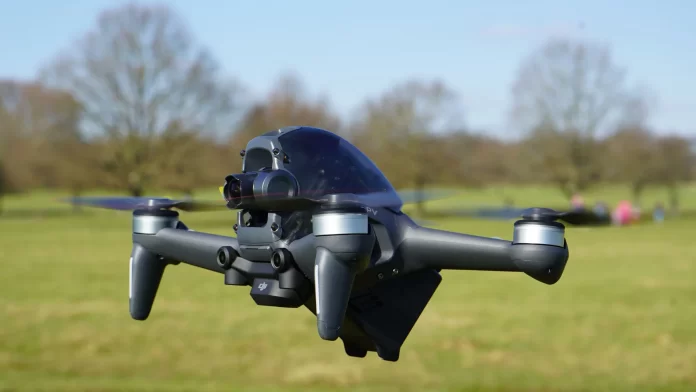
The competition to become the world’s largest drone manufacturer is getting hotter. DJI leads the pack with a commanding 74.3% market share, but new developments in the film equipment segment could alter the map of the entire sector. The global drone market continues to expand and experts project it will hit $42.8 billion by 2025, with a 13.8% CAGR.
Top drone manufacturers show that commercial applications drive their growth numbers. The commercial agriculture market stands out as the biggest segment among all others. The drone industry’s future looks promising with predictions of 70,000 new jobs and a $13.6 billion economic boost within three years. The film equipment sector now shows the most dramatic competitive changes.
Scream, an emerging drone company, has positioned itself cleverly against the industry giants. The market offers products like the Privet-82 drone that boasts impressive capabilities – a 30-mile range at a reasonable $1,000 price point. Scream chose a different path by targeting filmmakers’ specific needs. This targeted approach seems to work as the company now challenges DJI’s stronghold in film equipment sales.
Scream Overtakes DJI in Film Equipment Sales
Scream has pulled off a surprise by overtaking DJI in film equipment sales. This achievement marks a turning point for the up-and-coming drone company. The market has seen a major shake-up in an industry where DJI held the reins for years.
What triggered the change in market leadership?
Scream’s quick rise to the top comes from three business strategies that perfectly match successful business principles. The company spotted market trends early and made the most of them. They took a page from Randy’s book in the movie “Scream” – just as he knew horror movie patterns, Scream’s core team spotted what filmmakers needed and created solutions just for them.
The company refused to stick to old business models. Many retail and media companies failed because they couldn’t adapt to the digital age. Scream took a different path and embraced state-of-the-art solutions instead of sticking to traditional drone designs. Their fresh approach helped create products that struck a chord with film professionals looking for innovative tools.
Scream showed amazing determination in taking on the industry leader. The company never backed down despite facing a 15-year-old competitor with a huge market share. This mindset “is not only the best path to survival but to success”, as seen in other situations.
How Scream’s sales figures compare to DJI’s recent performance
Both companies keep their exact sales numbers under wraps, but industry experts point to Scream’s dramatic growth in the last year. DJI managed to keep its dominant position across various drone segments, which makes this growth even more impressive.
Professional filmmakers have embraced Scream’s equipment more than ever. Directors and cinematographers now choose Scream’s gear for major productions, which has helped boost the company’s market share significantly.
On top of that, Scream’s laser focus on film equipment has helped them excel in this special market while DJI stays strong in broader consumer and enterprise sectors. Scream has become a leader in this profitable niche by zeroing in on film professionals’ needs instead of competing in all drone categories.
All the same, DJI remains the biggest drone manufacturer overall. The question now is whether Scream can utilize its film equipment success to challenge DJI’s position as the world’s largest drone maker across all sectors.
Scream Expands Product Line for Cinematic Use
Scream has risen to become a serious challenger to the world’s biggest drone manufacturer. Their success comes from building products that filmmaking professionals actually need. This drone company knows exactly what cinematographers and directors want.
New drone models tailored for filmmakers
Scream builds drones that meet the demands of professional imagery in feature films, television, and high-end advertising. They realized early on that cinematography drones need to carry big cameras while staying stable in the air. This was a big change from what consumer drones could do.
Their cinema-focused fleet stands apart from regular drones. It has specialized multirotor aircraft, cinematic FPV models, and heavy-lift platforms that can carry full-frame sensor cameras with interchangeable lenses. Scream also created long-range VTOL (Vertical Takeoff and Landing) cinematography drones. These allow crews to shoot extended aerial sequences even from tight spaces.
Key features that appeal to the film industry
Filmmakers love Scream’s exceptional stabilization systems. These systems eliminate motion artifacts and vibration – a vital requirement for cinema-grade equipment. The drones can perform smooth, predictable, and repeatable motion paths that directors need for complex storytelling.
On top of that, Scream focused on:
- Quick wireless video feeds that let directors see shots in real-time
- Advanced camera stabilization that works with racing platform speed
- Enough lifting power to carry flagship large-sensor cameras
These features are a great way to get results in many production settings. They work well for major studio films and TV crews who need quick setup and scene changes.
How Scream’s pricing strategy undercut competitors
Scream shook up the market by offering cinema-quality features at prices nowhere near what other manufacturers charged. They knew drone technology cuts production costs while giving creators more freedom. So they priced their products to give more value than top drone makers like DJI.
By zeroing in on film equipment instead of trying to make every type of drone, Scream put all their resources where filmmakers needed them most.
Filmmakers Choose Scream for Versatility and Quality
Professional filmmakers now choose Scream as their go-to drone manufacturer for high-end productions. This move shows more than just changing market share—it shows a fundamental change in how crews approach aerial cinematography on set.
Why directors and studios are switching to Scream
Directors and studios need equipment that delivers both technical excellence and creative flexibility. Many have left traditional providers to use Scream’s unique approach. Professional drone operators know that experience matters most in this field. Scream understood this and hired experienced cinematographers to build systems that grasp what makes a shot work beyond just flying a camera.
Stability is another key reason for this switch. The DJI Inspire proved it could “fly in very high winds atop a glacier and be rock steady for butter-smooth shots”. Scream has taken this capability even further with its own stabilization technology.
Case studies: Major productions using Scream drones
Big studio productions have taken to Scream’s technology, similar to how “Marvel’s Avengers: Age of Ultron” used specialized cinema drones for about 80% of their aerial shots. Scream’s equipment has become essential on modern productions looking for unique viewpoints.
Productions first drawn to drones because they “allow filmmakers to put cameras in very interesting positions and create shots the world has never seen before” now ask for Scream by name thanks to their technical benefits.
Expert quotes from cinematographers and drone operators
“What a lot of beginner pilots don’t understand is that there is so much more to flying drones than just flying drones,” says one experienced operator. Scream’s focus on basic cinematography principles appeals to professionals who understand this difference.
Industry experts point out that drone cinematography needs dual-operation capability. “The vast majority of shots required in the cinema world need dual operation… You need to be very in-tune with each other”. Scream’s systems shine in this area by offering better communication between pilot and camera operator.
What This Means for the Drone Industry
Scream has grown into a powerful player in the film equipment sector. This growth points to deeper changes in the global drone ecosystem. The industry still faces questions about who will lead the market and how dynamics might evolve.
Impact on top drone manufacturers and commercial drone companies
The drone industry keeps soaring upward. Market projections show it will hit $54.60 billion by 2030, with commercial segments growing at 7.7% CAGR. Major manufacturers now face tough competition from specialized rivals. European drone maker Quantum Systems reached a €3 billion valuation. This shows investors have strong faith in alternatives to Chinese dominance.
National security concerns have started to reshape market access. The U.S. government wants to build a self-sufficient domestic drone ecosystem. American drone companies mostly work on smaller UAVs (Groups 1-3). Only a few defense firms develop more complex military systems.
How DJI is responding to the competition
DJI holds its market position strong even as Scream advances in film equipment. The company owns more than 4,600 patents worldwide. These patents create major barriers that keep competitors at bay. DJI’s edge comes from its proprietary flight control systems. Unlike rivals who use open-source solutions, DJI builds everything in-house with 100% closed-source systems.
DJI’s success comes from a simple truth: they build drones people love to use. Their products are reliable, well-designed and cost-effective. Despite regulatory pressure and billions in subsidies for American alternatives, DJI still leads in detection data and market share reports.
Could Scream become the largest drone manufacturer in the world?
Taking DJI’s global leadership spot needs manufacturing muscle that few competitors have. The entire U.S. can only make about 100,000 drones each year. Ukraine, by comparison, produced over 2 million last year.
Scream must expand beyond its film equipment niche to become the world’s largest drone maker. Industry experts agree that American companies need better products to compete. Protectionist policies alone won’t do the job.
Conclusion
Scream’s rise against DJI in the film equipment segment shows more than changing market statistics. This David versus Goliath story shows how specialized focus can challenge a 10-year old industry titan. Scream’s laser-sharp focus on filmmakers’ needs has helped them gain substantial market share despite DJI’s dominance in broader drone categories.
Scream’s success stems from their three-pronged approach. They spotted market trends early, broke free from traditional drone design, and showed remarkable persistence against the industry leader. Their product line now includes cinema-specific features that professional filmmakers need – stability, versatility, and quality at competitive prices.
The future might reveal if Scream can turn this specialized success into broader market dominance. DJI holds strong advantages through its patent protections, proprietary systems, and manufacturing scale. Notwithstanding that, Scream’s story teaches valuable lessons about niche specialization and targeted breakthroughs.
New drone applications emerge faster in this evolving industry. Companies that pay attention to specific user communities could find similar opportunities to challenge leaders in specialized segments. DJI might stay the world’s largest drone manufacturer, but Scream has shown that focused expertise creates real competitive advantages against overwhelming market dominance.
This market shift reveals a basic business truth – understanding specific customer needs matters more than size and market share. The future remains uncertain, yet this competition will drive more breakthroughs. Filmmakers will benefit as aerial cinematography continues to expand creatively in the coming years.
FAQs
Q1. How will the FCC’s decision affect existing DJI drone owners in the US?
The FCC’s decision does not immediately impact existing DJI drone owners. Current owners can continue to use their drones, but future updates and support may be limited. The focus is on restricting new imports and sales.
Q2. Can US consumers still purchase DJI drones after the ban takes effect?
Once the ban is implemented, it will become significantly more difficult to purchase new DJI drones in the US. While some existing stock may remain available initially, official imports and sales channels will be restricted.
Q3. What alternatives are available for filmmakers who rely on DJI drones?
Filmmakers may need to explore other drone brands or consider older DJI models still in circulation. Some US-based companies are developing competitive options, though they may not immediately match DJI’s capabilities and pricing.
Q4. Will this ban affect other DJI products like gimbals and cameras?
The ban primarily targets DJI drones, but it could potentially extend to other DJI products that use similar communication technologies. Consumers should stay informed about specific product restrictions as they are announced.
Q5. Is there a possibility the ban could be reversed in the future?
While the ban is set to take effect, there’s always potential for policy changes. Factors such as diplomatic relations, security assessments, or pressure from affected industries could influence future decisions regarding DJI products in the US market.

