



The sobering reality of business success tells a compelling story: 65% of new businesses in the United States fail within the first five years. Only 25% survive 15 years or longer. Business owners and entrepreneurs face these challenging odds right from the start.
The numbers paint a different picture now. Business startups reached 774,725 in 2019, showing an increase from 733,825 in 2018. Small business success isn’t out of reach – it just needs the right approach. This piece gets into why most small businesses fail and highlights the proven keys to beat these odds. You’ll learn practical strategies that actually work, instead of following common misconceptions that lead startups down the wrong path.
Why Most Small Businesses Fail
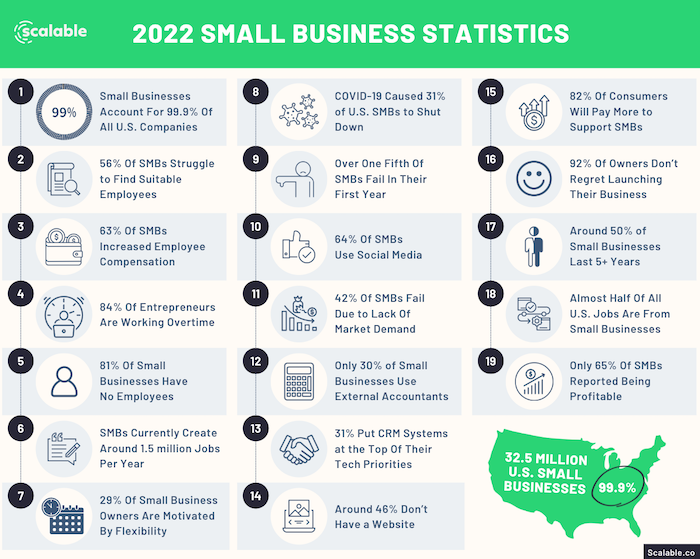
Image Source: Scalable.co
Business failures follow specific patterns that can teach us what makes small businesses thrive. These patterns aren’t random – they offer valuable lessons for entrepreneurs.
1. Lack of market research
Small businesses fail 35% of the time because their products or services don’t meet marketplace needs. Many businesses launch products that customers don’t want because they skip proper research.
Business owners often bypass this vital step because they see it as expensive or time-consuming. This mistake can kill a business. Companies that skip research don’t understand their audience well, misread customer needs, and miss competitive advantages. Even big players like Target have stumbled in new markets because they didn’t grasp specific customer needs and expectations.
2. Poor financial management
Money problems destroy small businesses – 82% of failures happen due to cash flow issues. Business owners often struggle to track expenses, create realistic budgets, and keep healthy cash reserves.
Cash flow problems don’t appear overnight. They build up slowly while owners focus elsewhere. Common mistakes include mixing personal and business money, poor record keeping, and not checking financial statements often enough.
3. Weak business planning
Businesses with detailed plans stand the best chance of success. A solid business plan maps out financial goals, target markets, and growth strategies that prevent bad decisions.
The lack of formal planning ranks as the top reason small businesses fail. Many small companies choose gut feelings over formal planning. This approach creates blind spots and makes operations less efficient.
4. Knowing how to adapt to change
Today’s market changes faster than ever, and businesses that are quick to adapt succeed more often. Companies that resist change end up outdated and irrelevant.
Businesses that survive major disruptions aren’t always the biggest or strongest – they’re the ones that adapt best. Being flexible doesn’t mean abandoning plans. It means building a business that can shift direction when needed and grab new opportunities fast.
What Makes a Small Business Successful
The life-blood of small business longevity doesn’t lie in avoiding failure but actively embracing proven success principles. Small businesses that thrive share specific traits that make them different from ones that struggle.
1. Solving a real customer problem
Every successful business starts by identifying an unmet customer need. A business must find enough customers who need its products or services to sustain the company. Successful entrepreneurs focus on real problems instead of assumed ones.
Customer experience matters so much that 86% of buyers will pay more for great service. This fact shows why businesses must take action before problems arise. The best businesses don’t just fix issues – they spot and prevent them before they happen.
2. Offering consistent value
Small business success depends on consistency. Customers stay loyal when they know what quality and experience they’ll get each time. Their trust grows when your business delivers reliable service that feels professional.
Your brand identity becomes stronger through consistency. Customers trust your business more when your messaging, visual elements, and service quality stay the same everywhere. This reliability builds a strong brand reputation that customers appreciate.
3. Building strong customer relationships
Your business becomes more resilient with strong customer relationships. Customer loyalty helps weather market changes and competitive pressure when people feel valued and understood.
The numbers tell the story – you’re 60-70% likely to sell to existing customers, but only 5-20% to new leads. Getting a new customer also costs five times more than keeping current ones.
Strong relationships grow when you:
- Create customized experiences
- React quickly to feedback
- Show real empathy for customer needs
- Reward loyalty
Successful small businesses put customers first, making sure their processes, products, and services meet customer needs. This approach creates more than just satisfied customers – it turns them into supporters who spread positive word-of-mouth about your business.
Keys to Business Success You Can Control
Smart entrepreneurs control factors they can directly influence, rather than just understanding what makes a business successful. These practical elements often determine a business’s success or failure.
1. Keep overhead low and cash flow healthy
Money management makes or breaks small businesses running on tight budgets. Business failures happen 82% of the time due to cash flow problems. Your financial position improves quickly when you reduce expenses. A cash reserve should cover at least three months of expenses for emergencies. Regular spending analysis and vendors with flexible payment terms can improve your financial health by a lot.
2. Hire the right people and treat them well
A bad hire can cost up to $240,000 in recruiting, hiring, and onboarding costs. Skills and experience matter, but employees who welcome principles like respect, loyalty, and dedication matter more. Companies that offer family-related benefits have the most satisfied employees. On top of that, high-growth companies typically offer a broad array of benefits, while highly profitable ones focus on specialized benefits.
3. Stay organized and track performance
Your “accounting headlights” should forecast expectations instead of just reviewing past results. A daily operations board helps track financials and spots problems within 24 hours instead of weeks. Business success improves when performance management maximizes individual contributions and creates a high-performance culture.
4. Focus on long-term goals, not quick wins
Quick fixes provide immediate relief but don’t deal very well with the mechanisms of problems. Short-term needs should balance with long-term vision—quick wins become launchpads, not finish lines. Success breeds complacency, so stay alert. Note that success demands focus, dedication, and personal growth whatever the economic conditions.
How to Make Your Business Successful in the Long Run
Success in business requires more than survival strategies. Your company needs solid plans that drive continuous growth.
1. Adopt new ideas and change
Small businesses lead the way in innovation and adapt quickly to market changes. A NielsenIQ study shows that 78% of consumers consider a sustainable lifestyle important. About 40% of small business owners now use generative AI tools. Companies that adopt these technologies save time, deliver better customer experiences, and focus more on growth.
2. Learn from competitors and customers
Your competitors’ business practices play a significant role in long-term success. Watching what they do helps you spot market gaps you can fill. You can analyze their online marketing strategy with tools like SEMrush or Ahrefs. Customers who switched from competitors are a great way to get feedback about what matters most.
3. Improve operations continuously
Making your business better involves steady work on all parts of your organization. The core idea is simple – small improvements add up to create big changes when done consistently. The best companies focus on three main areas: clear performance metrics, sharing what works, and getting everyone involved.
4. Build a resilient mindset
Your ability to adapt determines success during times of change. A resilient outlook comes from how you view challenges and setbacks. Leaders who show good well-being habits positively affect their entire organization.
Conclusion
A good idea alone won’t guarantee small business success. Statistics paint a grim picture – most ventures fail within five years. Yet many entrepreneurs beat these odds by planning and executing strategically.
Of course, failed businesses teach valuable lessons. Many promising ventures get derailed by common roadblocks: insufficient market research, weak financial management, poor planning, and resistance to change. Notwithstanding that, entrepreneurs can navigate these obstacles with proper awareness and preparation.
Successful businesses consistently solve real customer problems and deliver value. They build strong connections that turn customers into brand champions. These companies maintain healthy cash flow and hire people aligned with their values. They track results carefully and prioritize steady growth over quick profits.
Smart entrepreneurs stay adaptable to succeed. They keep learning from both competitors and customers. On top of that, they improve operations and develop mental toughness to handle challenges.
Building a lasting small business might seem overwhelming at first. But success follows clear patterns, just like failure does. Entrepreneurs boost their survival chances by a lot when they focus on proven strategies – solving real problems, creating value, nurturing relationships, and embracing change. This approach helps them thrive in today’s competitive market.
The most successful companies don’t just avoid failure. They adopt time-tested principles that drive steady growth each year. Your business can join the elite 25% that reaches the fifteen-year mark by applying these core strategies consistently and determinedly.
FAQs
Q1. What is the most common reason small businesses fail? The most common reason for small business failure is a lack of market research. Nearly 35% of small businesses fail because there isn’t sufficient demand for their product or service in the marketplace. Proper market research is crucial to understand target audiences and identify competitive advantages.
Q2. How important is financial management for small business success? Financial management is critical for small business success. About 82% of business failures stem from cash flow problems. Effective financial management includes tracking expenses, creating realistic budgets, maintaining healthy cash reserves, and regularly monitoring financial statements.
Q3. What role does adaptability play in small business success? Adaptability is crucial for small business success, especially in today’s rapidly evolving market. Businesses that can swiftly adapt to changes are more likely to succeed. This flexibility doesn’t mean abandoning planning, but rather building resilience to pivot when necessary and capitalize on emerging opportunities.
Q4. How can small businesses build strong customer relationships? Small businesses can build strong customer relationships by providing personalized experiences, responding promptly to feedback, demonstrating genuine empathy for customer needs, and creating loyalty rewards. A customer-centric approach not only satisfies customers but can transform them into advocates who promote the business through positive word-of-mouth.
Q5. What strategies can help ensure long-term business success? Long-term business success can be achieved through several strategies: embracing innovation and change, learning from competitors and customers, continuously improving operations, and building a resilient mindset. It’s also important to focus on solving real customer problems, offering consistent value, and maintaining healthy cash flow.

