


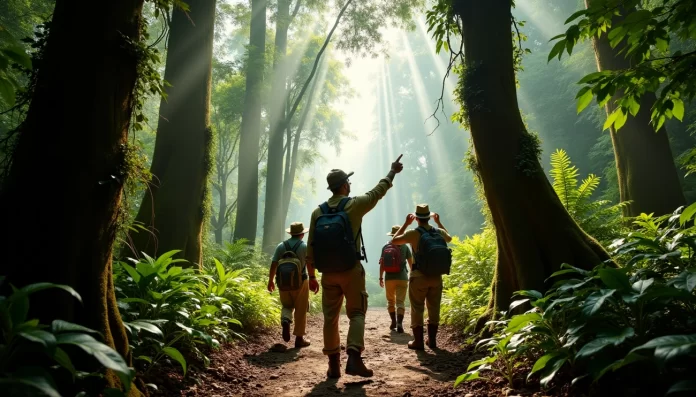
You might wonder if it’s safe to visit the Amazon rainforest. I asked myself this same question before my journey into this magnificent ecosystem that spans over 2.1 million square miles of tropical terrain.
The Amazon’s biodiversity will blow your mind – scientists find a new species every three days!. I get why people worry about potential dangers. This massive jungle produces more than 20% of our planet’s oxygen but also has creatures that “will make no bones about attacking you if you display threatening behavior”. Of course, health risks exist too – deadly mosquitoes carry yellow fever and malaria.
The good news is thousands of travelers explore the Amazon safely each year. The Amazon basin of South America stands out as the best spot to see rainforest wildlife. Your experience will change based on when you visit. The jungle has two main seasons: wet (December to May) and dry (June to November). Each season brings its own safety challenges.
Let me share 15 key safety tips to help you explore the world’s largest jungle with confidence and responsibility. We’ll look at everything from handling intense humidity and heat to staying safe during transportation (which has more risks in South America than in North America or Europe). This knowledge will prepare you well for your upcoming adventure.
Understand the Amazon’s Seasons

Image Source: Palotoa Amazon Travel
Most first-time visitors don’t expect the Amazon rainforest’s unique seasonal patterns. These patterns play a vital role in your comfort and safety during the expedition.
Amazon seasons overview
The Amazon doesn’t follow the four seasons you know. It has two main seasons: wet (rainy) and dry. Heavy daily rains mark the wet season from December through May. The dry season runs from June to November with less rain but you’ll still see afternoon showers. These seasons affect water levels, wildlife visibility and how easy it is to reach certain areas.
Best time to visit the Amazon
People often ask “is the Amazon rainforest dangerous?” The timing of your visit can make a big difference in your experience. The dry season (June-November) gives first-time visitors several advantages:
- Hiking trails become easier to access due to lower water levels
- Fewer mosquitoes mean lower risk of diseases
- Animals gather near water sources making them easier to spot
- The humidity feels better if you’re not used to tropical weather
The wet season also has its charm. You can explore smaller waterways by boat and see the forest at its most green and alive.
How weather affects safety
Weather plays a direct role in Amazon’s potential risks. Water levels rise faster in the wet season which leads to unpredictable currents and floods. The constant moisture also makes fungal infections more likely and can damage equipment. The dry season comes with its own risks:
- Strong sun and intense heat raise dehydration risks
- Remote areas might have limited drinking water
- Wildlife gathers more densely around remaining water sources
Tropical storms can appear quickly in any season. These storms make river travel and forest exploration dangerous. You should check seasonal weather forecasts before planning your trip to stay safe.
Get Vaccinated Before You Go

Image Source: Andean Great Treks
Vaccines are a vital safety measure if you’re wondering about Amazon rainforest dangers. The right shots protect you from tropical diseases that could turn your exciting trip into a health crisis.
Recommended Amazon vaccinations
The Centers for Disease Control (CDC) and World Health Organization (WHO) say Yellow Fever vaccination is highly recommended for anyone visiting Amazon regions. A single dose now protects you for life, unlike the old rule of getting boosters every ten years. Health authorities also recommend these vaccines:
- Hepatitis A and Typhoid – These protect you from food and water-related illnesses, even in nice hotels
- Hepatitis B – You’ll need this if medical care becomes necessary during your stay
- Malaria prophylaxis – While not a vaccine, this medication is vital since malaria exists throughout the Amazon basin
- Routine vaccines – Make sure you’re up to date with tetanus, diphtheria, pertussis, measles, mumps, and rubella
Rabies shots become essential if you plan longer expeditions or wildlife research.
Timing your shots
The right timing of your vaccines affects how well they protect you. You should see your doctor 4-6 weeks before departure. This gives you enough time for:
- Vaccines that need multiple doses at specific intervals
- Yellow fever shot at least 10 days before you arrive to build full immunity
- Your body to handle any side effects before the trip
Consulting a travel clinic
Travel medicine specialists are a great way to get specific advice for Amazon trips. Dr. Elena Mendoza, a travel medicine expert, says: “Yellow Fever gets attention, but it’s just one piece of the puzzle. A complete approach keeps travelers healthy”.
Travel clinics help you with:
- Specific recommendations based on where you’re going
- Official vaccine documentation
- Tips to avoid insect bites and food-related illness
Remember to carry your International Certificate of Vaccination or Prophylaxis (ICVP) as proof of yellow fever vaccination. Your exact vaccine needs depend on your Amazon destination, how long you’ll stay, and your health condition.
Pack the Right Clothing and Gear

Image Source: Andean Great Treks
Your Amazon rainforest clothing choices can make or break your adventure. The right gear keeps you safe while you learn about this magnificent ecosystem.
Essential Amazon rainforest gear
A sturdy internal frame backpack (40-60L) or duffel bag works nowhere near as well as rolling suitcases for Amazon expeditions. You’ll need a smaller daypack (20-25L) for daily trips, plus waterproof dry bags to keep electronics and valuables safe from sudden downpours. These items should be in your pack:
- Wide-brimmed hat with back-flap to protect your neck from sunburn
- Reusable water bottle (750ml-1L) to stay hydrated
- Headlamp or flashlight with extra batteries
- Plastic zip-lock bags to keep small items dry
- Small denomination cash for souvenirs and tips
Why long sleeves and boots matter
Long-sleeve shirts and pants are your best defense against the Amazon’s constant threat—mosquitoes. Light-colored, loose-fitting clothing works best since mosquitoes’ attention is drawn to dark colors and they can bite through tight clothes. Roll-up sleeves let you adjust as temperatures change throughout the day.
Rubber boots (Wellingtons) give you the best protection. They go below the knee to shield you from insects, snakes, and thorny plants. Many luxury Amazon river cruises provide these boots for jungle trips—check if they’re available before you go.
Packing light but smart
The Amazon’s high humidity demands quick-drying fabrics—cotton items take up to three days to dry and might stay damp forever. Here’s what you need:
- 3-4 quick-dry t-shirts and 2 lightweight long pants
- Light windbreaker or rain jacket/poncho
- Extra pairs of socks—you’ll need them!
- Sandals or slip-on shoes to relax at your lodge
Skip black clothing, tight-fitting items, makeup, and valuable jewelry. The Amazon’s extreme humidity means waterproof storage and moisture-wicking fabrics will be your best friends against one of its biggest challenges—constant dampness.
Use Insect Repellent Religiously

Image Source: The Travel Bunny
Mosquitoes are maybe the biggest threat you’ll face in the Amazon rainforest. Your best defense against deadly diseases like malaria, yellow fever, and Zika starts with using the right insect repellent.
Best repellents for the Amazon
The safety of your Amazon rainforest visit depends on good mosquito protection. Research shows these repellents give you the strongest protection:
- DEET (30-50%) – The gold standard that protects for 8-10 hours and works well against mosquitoes and ticks
- Picaridin (20%) – Works as well as DEET on mosquitoes, better on biting flies, and won’t damage plastics
- Oil of Lemon Eucalyptus (OLE) – A natural option approved by EPA that protects for 6-7 hours
- IR3535 – No smell, doesn’t irritate skin, and protects for 8-10 hours
You can boost your protection by using permethrin-treated clothing with your skin repellents. Permethrin kills ticks and mosquitoes on contact and keeps working for up to six weeks or six washings.
DEET vs. natural options
The Amazon rainforest’s dangers make many travelers ask about natural alternatives. DEET might smell bad and feel greasy, but the EPA says it’s safe if you use it correctly. People who want natural options should know that OLE is the only natural repellent the CDC recommends. Most essential oil repellents don’t work well and you need to put them on again every 20 minutes.
How to apply repellent effectively
The way you apply repellent matters a lot to stay safe in the Amazon. Here’s what you should do:
- Put on sunscreen first, then repellent
- Make sure you cover all exposed skin
- Spray repellent on your hands first before putting it on your face so you don’t breathe it in
- Put on more after swimming or heavy sweating
Use mosquito nets over beds with your repellent at night. Spatial repellents work well in calm conditions while you’re not moving around, like relaxing at your lodge. Keep your repellents in sealed containers so they don’t contaminate your food.
Protect Yourself from Mosquito-Borne Diseases

Image Source: Rainforest Cruises
Disease transmission is one of the biggest health risks for Amazon rainforest travelers. Learning about these risks will help you make better decisions about protecting yourself.
How dangerous is the Amazon rainforest for disease?
The Amazon basin’s climate creates perfect conditions for tropical diseases to spread. High temperatures, humidity, and heavy rainfall make this environment ideal. This big ecosystem covers nine South American countries and provides perfect conditions for disease-carrying mosquitoes. The Anopheles mosquito thrives in slow-flowing, non-polluted, shaded waters and lives longer in dense forest areas. People moving from rural to urban areas have made disease transmission worse in the outskirts of Amazonian cities.
Malaria and yellow fever risks
Malaria is the region’s most serious endemic disease because so many people get infected. Female Anopheles mosquitoes carry the protozoan Plasmodium that causes fever, chills, tremors, sweating, and headaches when they bite. Severe cases can trigger seizures, bleeding, and altered consciousness.
Yellow fever remains a constant threat throughout the region. Nonhuman primates act as natural reservoirs during its sylvatic cycle. This preventable disease has seen a surge in cases. Brazil, Bolivia, Colombia, Ecuador, and Peru have reported 221 confirmed human cases and 89 deaths. The disease has affected almost exclusively unvaccinated people. Oropouche fever has emerged as another threat and has caused the world’s first recorded deaths.
Using mosquito nets and clothing barriers
Physical barriers are a great way to get protection beyond vaccines and repellents. Mosquito nets protect you from nocturnal Anopheles mosquitoes that spread malaria while you sleep. Research shows permethrin-treated nets cut malaria transmission by about 74%.
Permethrin-treated clothing creates another strong defense layer. You can find specially manufactured insect-repellent clothing more easily now, or spray regular clothing with permethrin. Choose nylon or polyester fabrics that wick moisture since mosquitoes can bite through tight clothing. Here’s what you need for complete protection:
- Put nets over beds, especially if your room lacks air conditioning or window screens
- Look for holes in existing screens when you arrive
- Use air conditioning when you can – it keeps mosquitoes away
Disease risks have increased where forests meet urban areas, so stay extra alert in these locations.
Stay Hydrated with Safe Water

Image Source: Amazon Aid
Water safety ranks among the biggest risks when people ask “is the Amazon rainforest dangerous.” The region’s water sources look inviting but hide serious health threats under the surface.
Dangers of the Amazon rainforest water
The Amazon’s waters contain a dangerous mix of contaminants. Mining and cocaine production leave rivers and streams contaminated with chlorine, kerosene, sulfuric acid, mercury, and cyanide. Water pollution kills about 2 million people yearly worldwide – this is a big deal as it means that more people die from it than from conflict and crime combined. Toxin levels reach their highest during the rainy season when downpours wash them from riverbanks into water sources. Clear-looking waters can still contain parasites and amoebas that cause vomiting, fever, diarrhea, and in worst cases, dysentery, typhoid, and cholera.
Water purification methods
You have several good options to purify Amazon water:
- Filtration systems – Portable filters like LifeStraw Peak Squeeze or Katadyn BeFree remove bacteria and parasites using hollow fiber membranes with 0.2-micron pores
- Chemical treatment – Chlorine dioxide tablets (like Katadyn Micropur) kill microorganisms in 15 minutes, though cryptosporidium needs a full four-hour wait
- Boiling – The quickest way to purify water requires one minute of rolling boil and needs no special equipment
Your best protection comes from combining these methods – filter first to remove sediment, then use chemical treatment or boiling.
Avoiding dehydration
Dehydration can sneak up on you fast in the rainforest. Heat combined with high humidity makes it hard for your body to cool down naturally. You should drink two to three times your normal daily water intake. Salt replacement is vital in this environment, so people on low-salt diets might need to adjust their restrictions temporarily. A reusable water bottle will give a constant source of hydration – you’ll need it to stay safe in the Amazon’s tough conditions.
Eat Carefully to Avoid Illness

Image Source: Andean Great Treks
Food-related illnesses can ruin your Amazon adventure in no time, even if you’re an experienced traveler. The food you choose to eat or avoid could mean the difference between an unforgettable experience and a hospital visit.
Food safety in the Amazon
Foodborne bacterial pathogens like Bacillus cereus, Salmonella, and Staphylococcus aureus often contaminate poorly prepared meals in the Amazon region. These microorganisms can cause illnesses from mild discomfort to severe dehydration, even in clean-looking places. Hot foods should be piping hot and cold items need to stay really chilled. We focused on eating freshly prepared dishes instead of food left out for hours, since tropical heat makes bacteria multiply faster.
Avoiding street food
Street food looks tempting but creates serious health risks. Research shows that street vendors work in poor conditions without proper sanitation. About 70-90% of vendors have animals, insects, and liquid waste near their food preparation areas. Simple foods like chutneys become dangerous when left at room temperature. The vendors themselves might carry pathogens like Escherichia coli and Salmonella. You should watch the vendor’s practices first if you want to try local food. Look for busy stalls that attract different customers, including women and children.
Packing snacks and rehydration salts
Pack portable, non-perishable snacks before you leave to help during emergencies or remote trips. Rehydration salts are vital to curb potential dehydration from stomach problems. Products like NormaLyte have the right mix of sodium, potassium, and essential electrolytes that don’t deal very well with dehydration from diarrhea and vomiting. These pre-measured sachets are convenient – just add one packet to 500ml of purified water. Oral rehydration solutions also improve electrolyte absorption, which helps you recover faster in remote locations.
Respect Wildlife and Keep Your Distance

Image Source: TreXperience
Wildlife encounters top most travelers’ wish lists in the Amazon. Your rainforest experience depends on keeping a respectful distance and knowing how to interact with animals safely.
Is the Amazon dangerous for animal encounters?
Wildlife tourism gets more and thus encourages more growth, accounting for 20-40% of the global tourism industry’s annual value of USD 1.50 trillion. Most animals in the Amazon naturally avoid humans, and tourist attacks happen rarely. All the same, these creatures “will make no bones about attacking you if you display threatening behavior”. The rainforest’s formidable predators include jaguars, anacondas, and caimans that deserve respect rather than fear.
Animals to avoid
Black caimans pose serious danger as these massive crocodilians can grow up to 20 feet long. The jaguar rules as the continent’s largest cat with jaws strong enough to crush a turtle’s shell. Even harmless-looking creatures can be deadly – poison dart frogs release toxins through their skin that can cause heart failure within minutes. Electric eels produce five times more electricity than standard wall sockets, while anacondas stretch up to 6.5 meters in length.
Safe wildlife observation tips
To observe wildlife safely:
- Stay at least 25 yards away from most wildlife
- Never feed, touch, tease or disturb animals intentionally
- Your presence bothers animals if they react to you
- Use binoculars or zoom lenses instead of getting closer
- Follow your guide’s instructions without exception
Avoid Touching Plants and Insects

Image Source: Exodus Travels
The Amazon’s botanical diversity hides extraordinary beauty and potential dangers that just need caution from visitors. Plants and insects that look harmless might have toxic defenses they developed over thousands of years.
Toxic plants in the Amazon
Poisonous plants thrive all over the rainforest. The Strychnos genus contains deadly alkaloids that locals use to make poisonous arrows that kill through asphyxiation. The Curare vine reaches heights of 30 meters and serves as another source of poison arrows. Shamans traditionally use the Brugmansia flower’s hallucinogenic properties, but its alkaloids can turn deadly in large doses. Maybe most dangerous of all, the Manchineel tree’s nickname “Tree of Death” fits perfectly—its corrosive sap causes severe blistering if you stand beneath it in the rain.
Camouflaged dangers
Hazardous creatures master the art of hiding. The Costa Rican variable harlequin toad looks beautiful but packs powerful neurotoxins. These toads boost their survival chances by staying still for long periods. The South American leaf fish perfectly mimics a floating leaf until it suddenly opens its large mouth to grab prey. Jaguars blend seamlessly into the foliage thanks to their blocky rosette markings.
Why observation is safer than interaction
You’re just a visitor in this complex ecosystem. Wildlife’s natural behaviors get disrupted when you touch or feed them, and this puts both you and the animals at risk. Telling safe from dangerous proves tricky—to name just one example, katydids come in different camouflage patterns specifically so predators can’t learn to spot them. Watching from a safe distance brings better rewards than getting too close.
Travel with a Local Guide

Image Source: PlanetaEXO
Local expertise makes a huge difference when exploring the Amazon’s complex ecosystem – something no guidebook can match. New visitors often ask “is it safe to visit the Amazon rainforest?” The answer lies in finding a local guide who will revolutionize your safety and overall experience.
Benefits of guided Amazon tours
Local guides carry generations of ecological wisdom that helps them spot hidden wildlife and identify medicinal plants you would miss on your own. These guided tours are a great way for beginners to learn, as guides explain the vital roles different species play in this biodiverse environment. The tours also support conservation and green practices in the region.
How guides improve safety
Expert guides keep you safe by spotting dangers early and knowing the best ways to avoid them. Their trained eyes catch well-hidden creatures and toxic plants before you get too close. Staying close to your guide is essential – never wander off alone. The guides also read river conditions and weather patterns well, and they adjust plans when conditions turn dangerous.
Choosing a reputable guide
Look for operators whose guides have wilderness first aid training and speak your language well. Small groups give you better access to your guide and a more tailored experience. The best guides usually work with high-end lodges and cruise ships. While their expertise costs more, it’s worth every penny for safe exploration.
Be Prepared for Nighttime in the Jungle

Image Source: Andean Great Treks
The Amazon comes alive at night and releases a completely different experience. The forest becomes a mysterious realm filled with unseen activity that heightens all your senses.
Why the Amazon is different after dark
The rainforest’s darkness is absolute. You won’t be able to see your hand even when it’s right in front of you. The sunset brings a new symphony of sounds. Frogs start their calls, nocturnal mammals begin to prowl, and insects buzz with fresh energy. This natural shift showcases hidden biodiversity as daytime creatures rest while nocturnal animals become active.
Night walks and safety
Night excursions with guides provide extraordinary encounters with amphibians, mammals, and insects that stay hidden during the day. Walking in complete darkness comes with its challenges. Your wellington boots serve as essential protection against scorpions and other creatures that might cross your path. The guide’s presence is crucial – they can identify animal sounds and help you avoid dangerous wildlife. Note that remote areas typically lack phone coverage, which makes staying close to your guide even more important.
Essential night gear
Your most crucial tool for nighttime jungle exploration is a reliable headlamp or flashlight with spare batteries. A good night’s sleep requires mosquito nets (pack your own even if lodgings provide them) and earplugs to block the constant insect noise. Anti-itch cream helps with inevitable bites, while wound cleaners like Neosporin help prevent serious infections. Make it a habit to shake out your footwear each morning because creatures often find shelter in boots overnight.
Know What to Do If You Get Lost

Image Source: Amazon.com
Even experienced explorers can get lost in the Amazon’s dense vegetation. Your chances of safely reuniting with your group improve with proper preparation.
Navigation tips in the Amazon
The S-T-O-P approach should be your first response when you realize you’re lost: Stop, Think, Observe, Plan. Panic can make you take poor decisions that worsen your situation. Rivers and waterways often guide you to civilization since they flow into larger water bodies or human settlements. Animal trails might take you to water sources or clearings where rescue teams can spot you more easily. A compass becomes essential to maintain direction when landmarks vanish in the similar-looking vegetation.
Using a stick to clear paths
A stick helps you test the ground ahead and avoid dangerous creatures hiding in the mud. This tool clears vegetation and keeps you from touching harmful plants and insects. You should mark your path by breaking specific branches or dropping distinctive items. These markers prevent you from walking in circles and help rescue teams track you.
Basic survival strategies
Water becomes your top priority since humans can only survive a few days without it. Morning dew on leaves can be an alternative water source if streams aren’t available. Your energy conservation matters more than hunting animals – stick to recognizable fruits and vegetables. A signal fire gives you the best chance of rescue in remote areas.
Keep Electronics and Valuables Safe

Image Source: Amazon.com
Electronics and valuable items face tough challenges in the Amazon’s extreme environment. Humidity becomes your worst enemy here.
Humidity and electronics
The Amazon’s humidity levels (often 80% or higher) can wreck electronic devices. Moisture damages circuit boards over time. It also creates condensation as you move between air-conditioned rooms and the humid jungle. You should keep cameras outside your air-conditioned room instead of in a safe. This prevents lens fogging that could make you miss great shots. We used silica gel packets and moisture absorbers to protect our devices. These packets need regular drying near heat sources to work properly.
Storing valuables securely
Every electronic device you bring needs waterproof storage. Pack multiple waterproof bags for each piece of equipment. Keep extra bags handy in case some get punctured. On top of that, you might want to think over portable lock boxes to keep passports, cash, and jewelry safe when you leave your room. You’ll end up getting splashed during river trips, even if it doesn’t rain.
Avoiding theft in remote areas
Remote Amazon locations have limited power access, so it makes sense to bring spare batteries and maybe even a solar charger. The lodge’s power setup might leave you sharing just a few outlets with many other travelers. Keep your valuable items locked up but easy to reach when unexpected photo chances come up.
Leave No Trace Behind

Image Source: PlanetaEXO
The Amazon’s delicate ecosystem needs visitors to look beyond their safety and embrace responsible practices. The “Leave No Trace” framework provides great guidelines to explore responsibly.
Eco-responsible travel in the Amazon
Green tourism in the Amazon brought in $15 million between 2017-2022. This revenue creates economic alternatives to harmful practices like illegal logging and predatory fishing. Your choice of eco-friendly lodging makes a real difference to conservation. Places that run on solar power, harvest rainwater, and use microorganisms instead of chemicals to treat sewage help protect this precious environment.
Minimizing your impact
The seven Leave No Trace principles help keep the rainforest pristine:
- Stick to marked trails to protect plants and wildlife
- Take all your items back with you, even those you might think will decompose
- The ecosystem’s balance suffers when visitors remove items from the rainforest
- Use reusable water bottles and food containers to cut down plastic waste
Supporting sustainable tourism
The Amazon generates more profit through responsible tourism than any other land use. A single sport fishing visitor can bring in $4,000-$5,000 per week while barely affecting the environment. Local communities benefit through transportation services, handicraft sales, and food businesses. This creates a network of activities that builds stronger local economies.
Buy Travel Insurance Before You Go

Image Source: Forbes
Travel insurance stands out as one of the most overlooked Amazon safety measures that protects you against emergencies that can get pricey. You need this financial safeguard beyond physical preparations when you think over “is it safe to visit the Amazon rainforest.”
Why travel insurance is essential
Emergency costs in remote Amazon locations can rise substantially. Medical evacuation from deep jungle areas – this is a big deal as it means that costs can reach $100,000. Most Amazon cruises have strict cancelation policies with minimal or no refunds for last-minute cancelations. Your safety net against medical emergencies and unexpected trip interruptions depends on proper coverage.
What it should cover
A detailed Amazon travel insurance policy should include:
- Emergency medical evacuation and repatriation
- Trip cancelation/interruption reimbursement
- Coverage for quarantine accommodations (minimum $2,000-$3,000)
- Medical expenses (minimum $50,000)
- Travel delays and baggage loss
Make sure your policy treats COVID-19 like any other sickness. On top of that, it helps to verify that your policy provides 24/7 emergency assistance services since healthcare quality varies across Brazil.
Emergency evacuation scenarios
Severe illness, injury, or medical emergencies that need specialized treatment unavailable locally require evacuation. Remote destinations increase these evacuation costs. Your attending physician might determine you need transport elsewhere for proper care, and repatriation coverage helps get you home. Regular health insurance plans rarely cover these international emergencies.
Comparison Table
| Safety Tip | Biggest Problem/Concern | Key Recommendations | Equipment/Items Needed | Time Sensitivity/Time to Act |
|---|---|---|---|---|
| Understand Seasons | Unpredictable weather conditions | Visit during dry season (June-November) | N/A | Plan 4-6 months ahead |
| Get Vaccinated | Tropical diseases | Yellow Fever, Hepatitis A/B, Typhoid | Vaccination certificate (ICVP) | 4-6 weeks before departure |
| Pack Right Clothing | Exposure to elements/insects | Wear light-colored, loose-fitting clothing | Wide-brimmed hat, rubber boots, quick-dry fabrics | Before departure |
| Use Insect Repellent | Mosquito-borne diseases | Apply DEET (30-50%) or Picaridin (20%) | DEET/Picaridin repellent, permethrin-treated clothing | Every 8-10 hours |
| Disease Protection | Malaria, Yellow Fever | Use mosquito nets, wear protective clothing | Mosquito nets, permethrin-treated clothing | Throughout stay |
| Stay Hydrated | Contaminated water, dehydration | Double/triple normal water intake | Water filter, purification tablets | Continuous |
| Safe Eating | Foodborne illness | Avoid street food, eat hot foods only | Rehydration salts, non-perishable snacks | Throughout stay |
| Wildlife Safety | Animal attacks | Maintain 25-yard minimum distance | Binoculars, zoom lenses | Throughout stay |
| Plant/Insect Safety | Toxic exposure | Never touch unknown species | N/A | Throughout stay |
| Guide Requirements | Getting lost, missing dangers | Choose guides with wilderness first aid training | N/A | Book before arrival |
| Night Safety | Darkness dangers | Stay close to guide | Headlamp, extra batteries | Every night |
| Lost Procedures | Disorientation | Follow S-T-O-P approach | Compass, stick to clear paths | At time of need |
| Electronics Care | Humidity damage | Use waterproof storage | Silica gel packets, waterproof bags | Throughout stay |
| Environmental Care | Environmental damage | Stay on designated trails | Reusable containers | Throughout stay |
| Medical Coverage | Medical emergencies | Get detailed coverage | Insurance policy documents | Before departure |
Conclusion
The Amazon rainforest has its share of risks, yet thousands of visitors explore its wonders safely each year. Your best defense against potential dangers is proper preparation. This piece covers everything in safety measures from vaccination requirements to wildlife interaction guidelines.
You should start planning months before your trip. Yellow fever vaccination, antimalarial medication, and detailed travel insurance are your first line of defense against health emergencies. The right gear creates essential barriers between you and common hazards – moisture-wicking clothing, rubber boots, and effective insect repellent.
Your trip requires constant alertness about water and food safety. Make purified water your strict standard and stick to fully cooked, hot meals from trusted sources to minimize illness risks. Observing wildlife from a distance protects both you and the animals.
Local guides can turn a potentially dangerous experience into a truly enriching one. Their expertise helps you avoid hazards while building your understanding of this complex ecosystem. The rainforest’s nighttime brings its challenges, but good preparation with headlamps and protective gear lets you safely witness its nocturnal transformation.
My experience shows that the Amazon deserves respect but not fear. The comparison table lists recommendations that build a resilient safety framework for your trip. The rainforest offers prepared travelers an unmatched display of biodiversity and memorable encounters unlike anywhere else on Earth.
Note that the Amazon doesn’t require superhuman survival skills – just good preparation, common sense, and respect for nature. These safety tips will help you confidently answer “yes” when asked if the Amazon rainforest is safe to visit. This magnificent ecosystem is ready for your responsible exploration and will leave you with lasting memories long after your trip ends.
FAQs
Q1. Is it safe to visit the Amazon rainforest? Yes, the Amazon rainforest can be safe for tourists when proper precautions are taken. While there are risks like tropical diseases and wildlife encounters, thousands of visitors explore the Amazon safely each year by following safety guidelines, traveling with experienced guides, and being prepared for the environment.
Q2. What vaccinations do I need for the Amazon rainforest? Essential vaccinations for the Amazon include Yellow Fever (highly recommended and often required), Hepatitis A and B, Typhoid, and routine vaccines like MMR and Tetanus. It’s also important to take malaria prophylaxis. Consult a travel clinic 4-6 weeks before your trip for personalized recommendations.
Q3. How can I protect myself from mosquitoes in the Amazon? Use insect repellent with DEET or Picaridin regularly, wear long-sleeved shirts and pants (preferably treated with permethrin), sleep under mosquito nets, and consider using spatial repellents in your accommodation. These measures help prevent mosquito-borne diseases like malaria and yellow fever.
Q4. What should I pack for a trip to the Amazon rainforest? Essential items include lightweight, quick-dry clothing, sturdy waterproof boots, a wide-brimmed hat, insect repellent, sunscreen, a reusable water bottle, water purification methods, a headlamp with extra batteries, and a basic first-aid kit. Don’t forget rain gear and any necessary medications.
Q5. Is it safe to drink the water in the Amazon? No, it’s not safe to drink untreated water in the Amazon. Always use bottled water or purify water using methods like filtration, chemical treatment, or boiling. Be cautious with ice and raw foods that may have been washed in untreated water. Staying hydrated is crucial, so plan your water supply carefully.

