


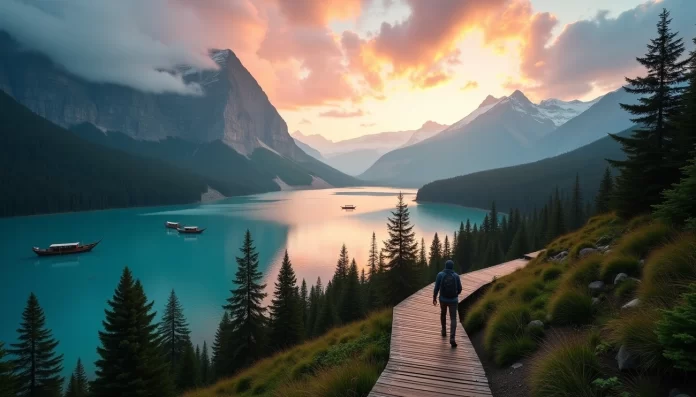
Popular bucket list spots like Machu Picchu sit 8,000 feet above sea level, and the Great Wall of China stretches an incredible 5,000 miles. We’ve taken a different approach to building our list.
These famous destinations deserve their reputation. The Great Barrier Reef spans 1800 magnificent miles, and the Grand Canyon plunges deeper than a mile. These wonders engage millions of visitors each year. But beyond these iconic landmarks, you’ll find extraordinary places that remain wonderfully unknown. We’ve put together 13 amazing destinations that most bucket list travelers miss, instead of joining crowds at the Taj Mahal or tackling the “most dangerous river in the world” (the Amazon). These hidden gems give you breathtaking experiences—minus the tourist crowds.
Isle of Eigg, Scotland

Image Source: The Guardian
A hidden paradise sits just 10 miles off Scotland’s west coast. This extraordinary Isle of Eigg should top any travel destinations bucket list. The tiny island provides authentic experiences with its 107 residents who welcome about 10,000 visitors each year.
Why Isle of Eigg is special
The island’s striking beauty and trailblazing spirit make it a remarkable bucket list travel destination. The residents bought their homeland from an absent landlord in 1997, and the island became “The People’s Republic of Eigg”. The island also earned its place in history as the world’s first community to create an off-grid electric system that runs entirely on wind, water, and solar energy.
An Sgùrr, a dramatic 393-meter pitchstone ridge, dominates the island’s landscape. This ridge, Europe’s largest of its kind, breaks through the horizon. The island measures just 9 by 5 kilometers but packs pristine beaches, moorlands, and night skies without any light pollution.
Top things to do on Isle of Eigg
The island offers these unforgettable bucket list trips of a lifetime:
- Trek to An Sgùrr’s summit to see panoramic views of Mull, Coll, Muck, the Outer Hebrides, Rùm, and Skye
- Head over to the famous “Singing Sands” at Laig Bay, where the dry quartz beach squeaks under your feet
- Watch over 200 bird species, including majestic golden eagles, during morning walks
- Try craft beers from the island’s own Laig Bay Brewing Company
- Look up at stars in skies free from light pollution
The island’s peaceful rhythm adds to its charm. Locals share this helpful tip: “If you get sick, make sure it’s on a Wednesday. That’s when the doctor visits”.
How to get to Isle of Eigg
Getting to this bucket list destination takes some planning, which helps keep it wonderfully undiscovered. The Caledonian MacBrayne (CalMac) ferry runs from Mallaig six days a week, except Wednesdays. The MV Sheerwater provides additional service from Arisaig during summer months (April to September).
The West Highland Line train from Glasgow takes you to Mallaig. Many people call it one of the world’s most beautiful rail journeys as it crosses the famous Glenfinnan viaduct from the Harry Potter films. You can also drive there in about 3.5 hours from Glasgow.
Note that private vehicles aren’t allowed on Eigg unless you have a Blue Badge disability permit. People get around by foot, bicycle (rentals available), or as locals say, by “sticking your thumb out”.
Socotra Island, Yemen

Image Source: World Heritage Travel
Socotra, located off Yemen’s coast in the northwest Indian Ocean, has earned its reputation as “the most alien-looking place on Earth”. This otherworldly archipelago remains peaceful and unspoiled. Only a few hundred visitors arrive each week, making it a hidden gem among natural wonders.
Why Socotra Island is special
UNESCO recognized Socotra as a World Heritage Site in 2008. The island’s unique characteristics have earned it the nickname “Galapagos of the Indian Ocean”. Its isolation created a natural laboratory where life flourished uniquely. The numbers tell an amazing story – 37% of its 825 plant species, 90% of reptiles, and 95% of land snails are found nowhere else on Earth.
The island’s story began 25 million years ago when it split from other landmasses. Life here developed in complete isolation, creating plants that look like they belong in science fiction movies. Nature enthusiasts will find this biological wonderland offers experiences that can’t be replicated anywhere else.
What to see on Socotra Island
The Dragon’s Blood Tree (Dracaena cinnabari) stands as the island’s living symbol. This umbrella-shaped marvel produces bright red sap used in traditional medicines. These botanical wonders live up to 300 years and create otherworldly forests across the terrain.
The island’s must-see locations include:
- Detwah Lagoon: A beautiful saline lagoon that meets the Gulf of Aden with a spectacular sand-spit
- Hoq Cave: A vast cave system stretching 2 kilometers with 50-meter-wide passages
- Shoab Beach: A secluded paradise that rivals Thai beaches, reachable only by boat
- Dihamri Marine Protected Area: A snorkeler’s paradise with 253 species of reef-building corals
How to reach Socotra Island
Getting to Socotra requires planning and commitment. Air Arabia flies from Abu Dhabi 2-3 times weekly, usually on Tuesdays and Fridays. Travelers can also catch Sunday flights from Mukallah in mainland Yemen.
The best time to visit runs from October through April. Monsoons dominate the other months and often lead to flight cancelations. Round-trip tickets cost between $950-1000 – a worthwhile investment for adventurous travelers.
Visitors should prepare for basic accommodations, as camping is the main option across the island. While Yemen faces ongoing conflicts, Socotra remains a peaceful haven. The island offers visitors a chance to experience what feels like stepping onto another planet.
Tsingy de Bemaraha, Madagascar

Image Source: Cool Hunting
A natural masterpiece awaits in western Madagascar. Tsingy de Bemaraha National Park features jagged limestone spires that form a forest of stone daggers. The local Malagasy word “mitsingitsingy” gave the park its name, which means “walking on tiptoes” – a perfect way to describe how you move through this remarkable landscape.
Why Tsingy de Bemaraha is a bucket list destination
UNESCO recognized this wonder as a World Heritage Site in 1990. Tsingy de Bemaraha stands out on any travel bucket list with its extraordinary limestone formations. These razor-sharp pinnacles reach 40-50 meters high and took millions of years of erosion to form. You won’t find anything like this anywhere else on Earth.
The park’s wildlife is just as impressive. About 85% of its flora and fauna exist only in Madagascar, and 47% call this specific region home. Lucky visitors might spot any of the 11 lemur species or 103 bird varieties. The rare Antsingy leaf chameleon lives here and nowhere else on the planet.
Best activities in Tsingy de Bemaraha
This bucket list travel destination features two distinct limestone areas worth exploring:
- Grand Tsingy: The more challenging and spectacular section has suspended bridges, ladders, and fixed cables. These help you navigate the sharp limestone labyrinth. Most people take the Andamozavaky circuit – a 4 km route that takes 4-5 hours.
- Little Tsingy: You can enjoy beautiful views and spot wildlife here without needing harnesses.
A ride along the Manambolo River in a traditional pirogue (dugout canoe) shows you a different side of the towering gorges and caves. You’ll get to see the ancient graves of the Vazimba – Madagascar’s first settlers.
Travel tips for visiting Tsingy de Bemaraha
The park welcomes visitors during the dry season from April to November. The Grand Tsingy section opens specifically from June to November. Getting to this bucket list destination takes dedication – most people face a bumpy 10-hour drive from Morondava.
You’ll need a guide – it’s mandatory – and should budget around $36 per person for various fees. The terrain demands sturdy shoes, sun protection, and at least 2 liters of water. Be ready for climbing, narrow passages, and suspended bridges.
Bekopaka, near the park entrance, offers various places to stay – from budget guesthouses to eco-lodges. Adventure enthusiasts can choose from three campsites within the park.
Lake Atitlán, Guatemala

Image Source: Atitlan Living
Lake Atitlán, one of Central America’s most mesmerizing bucket list travel destinations, sits peacefully in Guatemala’s highlands. This stunning crater lake formed after a massive volcano collapsed about 84,000 years ago. It stands as Central America’s deepest lake, reaching depths of 340 meters.
Why Lake Atitlán is a hidden gem
The lake’s dramatic setting makes it worthy of any travel bucket list. Three magnificent volcanoes—San Pedro, Atitlán, and Tolimán—stand guard over its crystal-clear waters. Many consider it one of the world’s most beautiful lakes. The volcanic origins have created a rich ecosystem where diverse forests thrive. You’ll spot herons, hummingbirds, and if you’re lucky, the rare resplendent quetzal.
Lake Atitlán’s cultural heritage makes it a special bucket list destination. Eleven distinct Mayan villages dot the shoreline. Each village has its own character and preserves traditional ways of life. The local K’iche’ and Tz’utujil languages flourish alongside Spanish. Cultural traditions here are authentic parts of daily life, not tourist attractions.
Top experiences around Lake Atitlán
The lake provides extraordinary activities for adventurous souls seeking bucket list trips of a lifetime:
- Kayak or paddleboard at sunrise when the water is calmest
- Hike Rostro Maya (Indian Nose) to catch panoramic sunrise views
- Visit San Juan La Laguna to see colorful murals and authentic textile workshops
- Experience a traditional Mayan ceremony—a spiritual highlight
- Explore San Marcos’ wellness offerings from yoga to meditation
How to get to Lake Atitlán
Your journey to this hidden bucket list place to visit starts with a flight to Guatemala City. You can take private shuttles or tourist minibusses to Panajachel, which takes about three hours. Another option is taking shuttles from Antigua, a 2.5-hour trip costing around $22.
Once you reach Panajachel, lanchas (small boats) will be your main way to move between villages. Boat fares range from $1.67 to $4 depending on the distance. Note that boats stop running around 7PM, so plan your trips on this extraordinary lake where nature meets ancient culture.
Svalbard, Norway

Image Source: Lonely Planet
Svalbard, an Arctic archipelago between mainland Norway and the North Pole, stands as one of the world’s last great wilderness frontiers. This place is a remarkable addition to any travel bucket list.
Why Svalbard is a unique travel destination
Located at 78° North, Svalbard lets you experience things you won’t see anywhere else on Earth. This Norwegian territory lives in extremes. Complete darkness engulfs the land during Polar Night from October to February. The Midnight Sun bathes everything in constant daylight from April through August. Raw beauty spreads beyond these light shows. Visitors will find vast tundra, bare mountains, and endless glaciers in landscapes that human development hasn’t touched.
The wildlife makes Svalbard truly special among bucket list travel destinations. People call it “The Wildlife Capital of the Arctic”, and polar bears outnumber humans at times. You’ll need professional guides to leave Longyearbyen’s borders. They know the safety rules in this realm where polar bears rule.
What to do in Svalbard
The seasons shape your bucket list trips of a lifetime here. Winter brings adventures like dogsledding on frozen fjords and snowmobiling through untouched wilderness. The Northern Lights dance above in star-filled skies. Summer reveals walruses resting on ice floes, Arctic foxes, Svalbard reindeer, and countless seabirds.
Glacier visits create unforgettable memories. Monaco Glacier stretches 7 kilometers wide and towers 60 meters high. The 14th of July Glacier spans an impressive 127 square kilometers. Longyearbyen might surprise you with its modern touch. The town boasts comfortable hotels, local breweries, and more than 15 restaurants serving Arctic specialties.
Best time to visit Svalbard
Three distinct seasons shape Svalbard’s bucket list places to visit experiences. Polar summer runs from mid-May to September. The sea ice melts back then, letting boats push further north for prime wildlife viewing. Northern lights winter takes over from October through February. You’ll get perfect aurora shows during the 24-hour darkness. Sunny winter arrives from March to mid-May, bringing back sunlight and perfect snow conditions for winter activities.
The weather plays a crucial role here. Temperatures swing from -14°C in winter to 6°C in summer. Winter often sees the mercury drop to -20°C or lower.
The Faroe Islands

Image Source: www.faroeislands.fo
The Faroe Islands float halfway between Iceland and Norway. This archipelago remains blissfully unknown to most travelers but deserves a spot on any travel bucket list. The self-governing Danish territory has 18 volcanic islands. Bridges, tunnels, and ferries connect these islands where dramatic nature takes your breath away at every turn.
Why the Faroe Islands are a bucket list destination
The North Atlantic gem lives up to its nickname “land of 10,000 waterfalls.” Water cascades down everywhere you look. The scenery grabs you right away – grass-roofed cottages nestle in green valleys, coastal cliffs rise sharply, and sheep outnumber people. The tourism board puts it best: “Everything about the Faroe Islands is extreme and slightly bonkers”.
The archipelago stays wonderfully empty. Travelers often feel like they have the whole place to themselves. The capital Tórshavn, among the world’s smallest, keeps its genuine charm with just 20,000 residents.
Top things to do in the Faroe Islands
These islands provide extraordinary experiences for bucket list trips of a lifetime:
- Sail to Drangarnir Sea Arch where North Atlantic winds blow through your hair as you approach this magnificent basalt formation
- Experience the world’s first subsea roundabout inside the impressive Eysturoy Tunnel network
- Kayak on Lake Leitisvatn to paddle toward Bøsdalafossur Waterfall and the popular Trælanípa Cliff
- Visit charming villages like Saksun, which sits in what was once a natural harbor until sand blocked it during a storm
How to travel to the Faroe Islands
Getting to this bucket list destination is simpler than you might think. Direct flights run from Copenhagen, Paris, Reykjavik, London, Edinburgh, Oslo, and Bergen. North American travelers can easily connect through Iceland. Icelandair offers daily flights from Keflavík International Airport.
The Smyril Line ferry provides an option for slow travel enthusiasts. The sea trip takes two days from Hirtshals, Denmark, or 15 hours from Seyðisfjörður, Iceland. Weekly ferry service runs throughout summer, offering a unique way to reach this captivating destination.
Bwindi Impenetrable Forest, Uganda

Image Source: www.bwindiforestnationalpark.com
Bwindi Impenetrable National Park stands as one of Africa’s oldest rainforests. This UNESCO World Heritage Site ranks among the world’s most exclusive bucket list destinations for wildlife enthusiasts.
Why Bwindi is a must-visit for wildlife lovers
Bwindi serves as home to about half of the world’s mountain gorilla population. More than 400 of these critically endangered primates thrive in this forest. The park’s biodiversity will leave you amazed. You’ll find 120 mammal species, 350 bird species (including 23 Albertine Rift endemics), and 220 butterfly species here.
The park’s remarkable primate concentration sets it apart from other travel destinations bucket list options. Beyond mountain gorillas, you might spot 11 other primate species. Black-and-white colobus monkeys, rare L’Hoest monkeys, and eastern chimpanzees roam freely in these forests.
Gorilla trekking in Bwindi
Your trek through this ancient rainforest, which is over 25,000 years old, becomes an unforgettable experience. The park offers gorilla trekking from four unique sectors:
- Buhoma: The oldest sector with excellent accommodation options
- Ruhija: A quieter area with beautiful park views
- Rushaga: Known for its steep terrain and multiple gorilla families
- Nkuringo: Features stunning views of Virunga Volcanoes
Each encounter with your assigned gorilla family lasts exactly one hour. Foreign non-residents pay $800 for permits. This investment helps support vital conservation efforts.
How to get to Bwindi Impenetrable Forest
This bucket list travel destination welcomes visitors through air and road transport. Entebbe International Airport sits about 460 kilometers away. Travelers from Rwanda often prefer Kigali International Airport, with just a 4-5 hour drive to Bwindi.
Your adventure becomes more meaningful with visits to nearby cultural communities. The Batwa people, who once lived in these forests, share their ancient traditions through performances and guided walks.
Aït Benhaddou, Morocco

Image Source: MED-O-MED Cultural Landscapes in the Mediterranean and the Middle East
A magnificent sandcastle rises from Morocco’s sun-baked plains – Aït Benhaddou, a fortified village that ranks among the most extraordinary bucket list places to visit on earth. UNESCO recognized this perfectly preserved example of southern Moroccan architecture as a World Heritage Site in 1987, safeguarding its remarkable earthen clay structures.
Why Aït Benhaddou is a hidden cultural treasure
This ancient ksar (fortified village) emerged in the 11th century and quickly became a vital trading post between Marrakech and the Sahara. The existing structures mostly date back to the 17th century, yet they follow building techniques that are over a thousand years old. Builders used only rammed earth, adobe, clay bricks, and wood to create structures that blend naturally with the desert landscape.
What to explore in Aït Benhaddou
Movie buffs will recognize this bucket list travel destination from several famous productions:
- Game of Thrones (the fictional cities of Yunkai and Pentos)
- Gladiator (where Russell Crowe fought for his life)
- The Mummy, Prince of Persia, and over 20 other productions
Visitors can cross the stream on stepping stones and explore narrow winding alleys past multi-story kasbahs. The granary atop the hill rewards climbers with breathtaking panoramic views – Atlas Mountains on one side, Sahara on the other.
Travel tips for Aït Benhaddou
The village lies about 100 kilometers southeast of Marrakech, with access through day trips or overnight stays in nearby Ouarzazate. Staying overnight near the ksar lets you experience the authentic village life that emerges after sunset when day-trippers leave. Pleasant temperatures mark spring (March-May) and fall (September-November). Early morning visits offer the best photography opportunities without crowds.
Lofoten Islands, Norway

Image Source: Find Us Lost
The Lofoten Islands dramatically jut into the Norwegian Sea and create the most photogenic landscapes I’ve seen. These Arctic islands are a big deal as it means that they surpass even the wildest bucket list travel destinations with their jaw-dropping beauty.
Why Lofoten Islands are a scenic wonder
The magic of Lofoten comes alive at the 68th northern parallel, above the Arctic Circle. Crystal-clear waters meet sheer mountain peaks, creating a visual masterpiece that National Geographic recognizes as one of the world’s most appealing destinations. The archipelago stretches about 100 miles into the Norwegian Sea. Towering, wall-like mountains stand next to peaceful fjords.
Best activities in the Lofoten Islands
These islands give you remarkable experiences for bucket list trips of a lifetime:
- Witness natural phenomena: The Midnight Sun bathes everything in light 24/7 from April through August. You can chase the Northern Lights between September and April
- Visit stunning beaches: Uttakleiv, Haukland, Unstad (famous for Arctic surfing)
- Kayak through fjords: Crystal waters let you glide silently close to nature’s rhythm
- Explore fishing villages: Nusfjord, Henningsvaer, Reine, Hamnoy
How to reach the Lofoten Islands
You can reach Lofoten several ways. Direct flights to Svolvær or Leknes airports make access easy. A ferry runs from Bodø to Moskenes, and driving via Lofast connects to the mainland since 2007. North American travelers find connecting flights through Oslo most convenient.
Kawah Ijen, Indonesia

Image Source: Agoda.com
Kawah Ijen, an active volcano on Java’s eastern side, towers at nearly 2800 meters. This destination offers a unique experience that belongs on any travel bucket list. The volcano’s last eruption occurred in 1999, but its fierce activity continues.
Why Kawah Ijen is a surreal destination
The volcano’s extraordinary feature lies in its electric-blue fire phenomenon. Only one other place on Earth showcases this rare sight. This magical display occurs as sulfuric gasses ignite upon meeting oxygen after escaping from volcanic fissures. The crater also contains the world’s largest highly acidic lake. Its turquoise waters reach an extreme pH level of 0.2.
What to see at Kawah Ijen
These remarkable features make this a must-visit bucket list destination:
- Blue flames create an illusion of flowing lava down the mountainside. Visitors can see this spectacular sight only before dawn
- A turquoise crater lake stretches a kilometer wide. The water here proves more acidic than battery acid
- Local sulfur miners carry heavy loads of bright yellow sulfur. They transport up to 80 kilos on their backs for just $5 per day
How to get to Kawah Ijen
Banyuwangi serves as the perfect base camp, just 1.5 hours from the trailhead. Visitors from Bali can take a ferry from Gilimanuk to Ketapang Port. The city connects well with major Javanese cities by train, and Banyuwangi Airport welcomes flights regularly. Most people start their hike between 1-2 AM to experience both the blue fire and sunrise. Entrance costs 100,000 IDR ($6) on weekdays and increases to 150,000 IDR ($10) during weekends.
Tayrona National Park, Colombia

Image Source: Global Alliance of National Parks
The perfect collision of ecosystems exists along Colombia’s Caribbean coastline, where jungle-covered mountains meet golden beaches. Tayrona National Park includes 37,000 acres of ecological treasure that remains untouched by mass tourism.
Why Tayrona is a hidden paradise
Tayrona’s extraordinary pristine biodiversity sets it apart. The park teems with wildlife – over 100 mammal species, 200 bird species, and 50 reptile species create a tropical sanctuary. Monkeys swing through trees next to crystal waters. The landscape fascinates visitors with lush rainforest and palm-fringed beaches. The Sierra Nevada de Santa Marta, the world’s highest coastal mountain range, meets the turquoise Caribbean waters here.
Top things to do in Tayrona National Park
Travelers seeking authentic bucket list places to visit will find these unmatched experiences:
- Hike jungle trails connecting various beaches and bays
- Swim in designated safe areas like La Piscina
- Visit Pueblito Chairama, pre-Hispanic ruins from 500+ years ago
- Spot howler monkeys and exotic birds in their natural habitat
How to visit Tayrona National Park
Tayrona sits 34 km from Santa Marta and requires advance online reservations due to strict daily visitor limits. The park closes completely in February at indigenous communities’ request to allow ecological regeneration. Entry fees range between 73,500-87,000 COP depending on the season. Visitors must also purchase mandatory health insurance at 7,000 COP per day.
Raja Ampat, Indonesia

Image Source: Indonesia Travel
Raja Ampat, an archipelago of over 1,500 islands, cays and shoals in Indonesia’s West Papua province, stands as the ultimate travel bucket list entry that underwater enthusiasts dream about.
Why Raja Ampat is a diver’s dream
Raja Ampat boasts the highest concentration of marine biodiversity on the planet. The area hosts over 75% of the world’s coral species and more than 6,000 fish species. This underwater paradise sits at the heart of the Coral Triangle and has earned its reputation as one of the world’s most incredible dive destinations. The pristine condition of its extraordinary reefs stems from the region’s remote location.
Best underwater experiences in Raja Ampat
Cape Kri makes an ideal spot to bucket list trips of a lifetime as it holds the world record for most fish species spotted in a single dive. Manta Sandy attracts graceful manta rays throughout the year. Beginners will find Melissa’s Garden perfect with its calm waters and minimal current. Blue Magic, an underwater pinnacle, creates a unique habitat where massive fish coexist with tiny creatures like pygmy seahorses.
How to travel to Raja Ampat
The journey to this bucket list destination starts with a flight to major Indonesian cities like Jakarta, Makassar, or Bali. A domestic flight to Sorong follows. The next leg involves a two-hour ferry ride from Sorong to Waisai (125,000 IDR). Your accommodation provider can arrange boat pickup once you arrive. Visitors should budget for a 1,000,000 IDR combined fee—700,000 for the Marine Park and 300,000 for entry.
Valle de Cocora, Colombia

Image Source: My trip to Colombia
Valle de Cocora, nestled in Colombia’s coffee region, offers visitors an incredible sight. The world’s tallest palm trees reach heights of 60 meters against lush green hills. This spectacular landscape should be on your travel bucket list.
Why Valle de Cocora is a unique natural wonder
UNESCO has recognized Valle de Cocora as a World Heritage Site. The valley proudly showcases Colombia’s national tree – the endangered Quindío wax palm. This remarkable place serves as the gateway to Los Nevados National Park, where cloud forest meets rolling hills. The landscape stands alone in its beauty – you won’t find anything similar anywhere else on Earth.
What to do in Valle de Cocora
A classic 4-6 hour loop trail lets you experience different ecosystems. Here are some easier alternatives:
- Take the clockwise path to see the wax palms right away
- Visit Acaime (“House of Hummingbirds”) to spot local wildlife
- Capture the dreamlike landscape during golden hour
How to get to Valle de Cocora
Colorful jeeps called Willys leave from Salento’s main square every hour starting at 6:30 am. A ride costs between 4,500-10,000 COP each way and takes about 25-30 minutes. Important: Make sure to catch the last jeep back between 5:00-6:00 pm. This timing matters when planning your visit to this unforgettable bucket list destination.
Comparison Table
| Destination | Location | Key Natural Features | Main Attractions/Activities | Best Time to Visit | How to Get There | Notable Facts |
|---|---|---|---|---|---|---|
| Isle of Eigg | West coast of Scotland | An Sgùrr ridge (393m), pristine beaches | Trekking, birdwatching, stargazing, craft beer tasting | Not mentioned | CalMac ferry from Mallaig (6 days/week) | World’s first community-owned off-grid electric system |
| Socotra Island | Yemen (Indian Ocean) | Dragon’s Blood Trees, unique flora | Detwah Lagoon, Hoq Cave, Shoab Beach | October-April | Flights from Abu Dhabi (2-3 times weekly) | 37% of plant species are endemic |
| Tsingy de Bemaraha | Western Madagascar | Limestone formations (40-50m high) | Grand Tsingy, Little Tsingy, Manambolo River | April-November | 10-hour drive from Morondava | 85% of flora and fauna endemic to Madagascar |
| Lake Atitlán | Guatemala Highlands | Three volcanoes, deepest lake in Central America (340m) | Kayaking, hiking, traditional Mayan ceremonies | Not mentioned | 3 hours from Guatemala City | 11 distinct Mayan villages around shore |
| Svalbard | Between Norway and North Pole | Glaciers, tundra | Northern Lights viewing, dogsledding, wildlife watching | Varies by activity (summer/winter) | Flights from mainland Norway | More polar bears than people |
| Faroe Islands | Between Iceland and Norway | Waterfalls, coastal cliffs | Sailing, kayaking, hiking | Not mentioned | Flights from multiple European cities | More sheep than people |
| Bwindi Impenetrable Forest | Uganda | Ancient rainforest | Gorilla trekking, primate watching | Not mentioned | 460km from Entebbe Airport | Houses half world’s mountain gorilla population |
| Aït Benhaddou | Morocco | Clay fortress architecture | Ancient ksar exploration, film location visits | Spring (Mar-May) & Fall (Sep-Nov) | 100km from Marrakech | UNESCO site, featured in many films |
| Lofoten Islands | Norway (Arctic Circle) | Mountain peaks, fjords | Northern Lights, Midnight Sun viewing, Arctic surfing | Sep-Apr (Northern Lights) | Flights to Svolvær or Leknes | Located at 68th northern parallel |
| Kawah Ijen | East Java, Indonesia | Active volcano, acidic crater lake | Blue fire viewing, crater lake visit | Not mentioned | 1.5 hours from Banyuwangi | One of two places with blue fire phenomenon |
| Tayrona National Park | Caribbean Colombia | Jungle-covered mountains, beaches | Hiking, swimming, ruins exploration | Not February | 34km from Santa Marta | Houses 100+ mammal species |
| Raja Ampat | West Papua, Indonesia | Coral reefs, islands | Diving, snorkeling | Not mentioned | Flights to Sorong, then ferry | Highest marine biodiversity on Earth |
| Valle de Cocora | Colombia Coffee Region | World’s tallest palm trees (60m) | Hiking, wildlife viewing | Not mentioned | Jeeps from Salento | UNESCO site, home to national tree |
Conclusion
The world has extraordinary places that lie beyond typical tourist trails. Millions visit the Eiffel Tower or Machu Picchu yearly, yet these 13 amazing destinations offer breathtaking views without massive crowds.
These hidden spots strike a perfect balance – they remain accessible yet untouched by mass tourism. The community-owned Isle of Eigg welcomes visitors with its singing sands. Socotra’s otherworldly Dragon’s Blood Trees tell their own unique story, shaped by nature and time.
These locations challenge our understanding of what makes a “bucket list” spot special. Madagascar’s razor-sharp Tsingy limestone formations stand unique. Kawah Ijen’s blue flames dance mysteriously, while Bwindi’s mountain gorillas create experiences you won’t find anywhere else on Earth.
A true trip should expand our horizons instead of just checking boxes. This collection might inspire you to look for extraordinary places beyond guidebook covers. The world’s greatest wonders often hide where fewer people venture.
Your next adventure could take a slight detour from the usual routes. These destinations need extra effort to reach, but they reward you with pristine views, real cultural meetings, and that rare feeling of actual discovery.
Without doubt, the best treasures await those ready to start a trip beyond the obvious.
FAQs
Q1. What are some underrated travel destinations that most people don’t know about? While popular spots like Paris and New York get all the attention, there are many hidden gems worth exploring. Some underrated destinations include the Isle of Eigg in Scotland, Socotra Island in Yemen, and Tsingy de Bemaraha in Madagascar. These offer unique landscapes and experiences without the tourist crowds.
Q2. Is it worth visiting places that are known for overtourism? It depends on your travel preferences. While overtouristed destinations like Venice or Dubrovnik can still be beautiful, visiting in the off-season or exploring lesser-known areas nearby may provide a more enjoyable experience. Consider balancing popular spots with off-the-beaten-path locations.
Q3. What are some alternatives to typical beach resort vacations? If you’re looking for something different than lounging on a beach, consider options like exploring Lake Atitlán in Guatemala, visiting the dramatic Lofoten Islands in Norway, or trekking through Bwindi Impenetrable Forest in Uganda to see mountain gorillas. These offer unique natural settings and cultural experiences.
Q4. Are there any destinations that offer both natural beauty and cultural attractions? Yes, many places combine stunning landscapes with rich culture. For example, Raja Ampat in Indonesia offers world-class diving alongside traditional villages, while Valle de Cocora in Colombia features unique wax palm forests near charming colonial towns. Aït Benhaddou in Morocco blends dramatic desert scenery with historic architecture.
Q5. How can I find less touristy experiences when traveling to popular countries? To get off the beaten path, consider visiting smaller towns or rural areas instead of major cities. Research local festivals or events happening during your trip. Try to learn a few phrases in the local language and be open to interacting with residents. Staying in homestays or small guesthouses can also provide more authentic experiences than large hotels.

