


Fashion inspiration reaches new heights when iconic artworks transform into wearable masterpieces. I’ve always been fascinated by how the worlds of art and fashion collide, creating something truly extraordinary when designers draw from famous paintings.
“I think the idea of mixing luxury and mass-market fashion is very modern”. Indeed, this modern approach was on full display at London’s recent elite auction, where fashion design inspiration took center stage. From stunning fashion illustration inspiration and technique to bold fashion inspiration themes, these pieces showcased how creative minds translate canvas to clothing. Each designer brought unique fashion inspiration ideas to life, essentially creating wearable art that pays homage to the original masterpieces.
We’re about to explore ten breathtaking ensembles that made waves at this prestigious event. Whether you’re a fashion enthusiast or an art lover, these remarkable creations demonstrate why the phrase “a girl should be two things: classy and fabulous” remains timeless in the world of high fashion.
The Starry Night-Inspired Gown by Elie Saab

Image Source: BuzzFeed
The artistic fusion of painting and fabric creates extraordinary wearable art. First and foremost, when Elie Saab unveiled his Starry Night-inspired gown, it captivated audiences with its ethereal beauty and artistic homage.
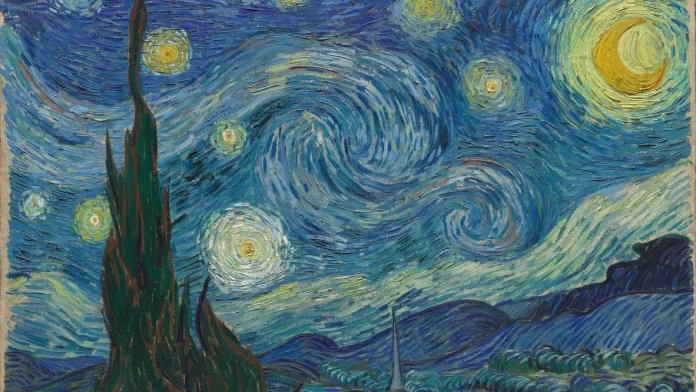
The Starry Night artwork background
Vincent van Gogh’s masterpiece “The Starry Night” (1889) stands as one of the most recognizable paintings in the world. This post-impressionist work depicts a swirling night sky over a peaceful village, characterized by its bold brushstrokes and vibrant blues contrasted with brilliant yellows. The painting’s emotional intensity and distinctive swirling pattern have made it an enduring source of inspiration across multiple creative disciplines, particularly in fashion where its dynamic movement and color palette offer rich possibilities for textile interpretation.
Elie Saab gown description
Elie Saab’s interpretation manifests as a breathtaking evening gown that captures the essence of Van Gogh’s masterpiece. Frequently referred to as the ‘Starry Night Dress’, this creation features a celestial-inspired design with meticulous embroidery mimicking Van Gogh’s iconic swirls. The gown showcases intricate beadwork in shades of deep blue, illuminated by golden accents that represent the stars and moon from the original painting. Its silhouette maintains Saab’s signature elegance with a flowing skirt that creates movement reminiscent of Van Gogh’s brushstrokes when in motion.
Fashion design inspiration from The Starry Night
Saab’s artistic translation demonstrates the powerful dialog between fine art and fashion design inspiration. The designer masterfully incorporated:
- Textural elements mimicking Van Gogh’s impasto technique through layered embroidery
- Color gradation reflecting the painting’s distinctive blue palette
- Strategic placement of golden embellishments echoing the positioning of stars in the original artwork
This interpretation exemplifies how fashion designers can translate two-dimensional artwork into three-dimensional wearable art. Additionally, it showcases how fashion inspiration themes can transcend time, connecting 19th-century post-impressionism with contemporary haute couture. The gown stands as testimony to Saab’s philosophy that “art has the power to suspend time, imbue the world with a heightened beauty and renew our jaded gaze”.
Auction context and reception
While the Elie Saab creation garnered significant attention at London’s elite auction, it’s worth noting another “starry night” inspired piece that made auction history. A night sky-inspired gown worn by Princess Diana, designed by Jacques Azagury (not Saab), fetched an astonishing $1.15 million at Julien’s Auctions in December 2023. Originally estimated at $100,000, it sold for eleven times that amount, demonstrating the market’s appetite for celestial-themed fashion with historical provenance.
The reception of Saab’s piece at the London auction similarly reflected the fashion world’s continued fascination with art-inspired couture. Critics praised the technical execution that transformed Van Gogh’s distinctive brushstrokes into fabric reality. Furthermore, fashion enthusiasts recognized the gown as a perfect example of how fashion inspiration ideas can evolve from classical art while remaining thoroughly contemporary.
The piece represents Saab’s commitment to creating fashion that transcends seasonal trends, instead aiming for the timeless quality that characterizes both the original painting and the resulting couture creation.
Frida Kahlo’s Self-Portrait Reimagined in a Gucci Ensemble
Mexican folk art meets modern luxury as Frida Kahlo’s raw emotional self-portraits inspire contemporary fashion design. The Gucci ensemble presented at London’s elite auction perfectly exemplifies how historical art continues to fuel fashion inspiration across generations.
Frida Kahlo artwork background
Frida Kahlo, Mexico’s most celebrated female artist, created approximately 55 self-portraits throughout her career that chronicled her physical and emotional pain. Her 1940 “Self-Portrait with Thorn Necklace and Hummingbird” serves as the primary inspiration for Gucci’s reinterpretation. This powerful painting features Kahlo’s unflinching gaze, iconic unibrow, and symbolic elements including thorns drawing blood from her neck, a dead hummingbird, butterflies, and lush foliage. The work embodies Kahlo’s signature style of blending personal suffering with Mexican folklore and vibrant colors. Moreover, her distinctive appearance—adorned with traditional Tehuana dresses, bold jewelry, and flower-crowned hair—has become as iconic as her paintings themselves.
Gucci ensemble description
Gucci’s homage comprises a complete ensemble rather than a single piece. The centerpiece is a floor-length dress in rich emerald green—a color frequently used in Kahlo’s paintings—with intricate embroidery featuring native Mexican flora and fauna. The bodice incorporates:
- Hand-stitched hummingbirds and butterflies in metallic thread
- A decorative collar reminiscent of Kahlo’s “thorn necklace” rendered in beaded embellishments
- Traditional Mexican needlework techniques applied to luxury fabrics
The ensemble includes a rebozo-inspired shawl with fringe detailing and statement accessories: oversized floral headpiece, bold geometric earrings, and multiple layered necklaces that echo Kahlo’s distinctive personal style. Despite these traditional elements, the silhouette maintains Gucci’s signature contemporary edge through asymmetrical hemlines and unexpected cutout details.
Fashion design inspiration from Frida Kahlo
Consequently, this creation demonstrates how fashion inspiration themes can transcend cultural and temporal boundaries. Gucci’s creative team drew upon multiple aspects of Kahlo’s artistic identity:
First, they incorporated elements from Mexican folk art traditions that Kahlo herself celebrated. Second, they embraced the juxtaposition of beauty and pain evident in her work through contrasting textures and materials. Finally, they honored her feminist legacy by creating a piece that commands attention rather than merely decorating the wearer.
This ensemble represents more than mere esthetic appropriation; it reflects how fashion design inspiration ideas often emerge from artists whose personal style became inseparable from their artistic legacy. Frida Kahlo’s influence on fashion extends beyond her paintings to her entire self-presentation as a political and personal statement.
Auction context and reception
The Gucci ensemble generated significant bidding competition at London’s elite auction, ultimately selling for considerably more than its estimated value. Fashion critics praised the piece for its authentic connection to Kahlo’s esthetic without falling into cultural caricature. Specifically, the fashion illustration inspiration and technique demonstrated in the piece’s construction received particular commendation for its meticulous attention to detail.
The auction catalog noted: “This piece represents not merely fashion inspired by art, but fashion as art—continuing the dialog between these creative disciplines that Kahlo herself pioneered through her deliberate self-presentation.” Therefore, the ensemble’s success underscores the ongoing fascination with artists whose personal appearance became an extension of their creative output.
Monet’s Water Lilies Transformed into a Dior Couture Dress

Image Source: The Seattle Times
Impressionist brushstrokes transcend canvas to couture as Claude Monet’s iconic water garden paintings inspire one of Dior’s most poetic creations. This remarkable transformation showcases how impressionist art techniques find new expression through fabric and embellishment.
Water Lilies artwork background
Claude Monet’s “Water Lilies” (Les Nymphéas) comprises approximately 250 oil paintings created during the last 30 years of his life. These works capture the artist’s water garden at his home in Giverny, France, with their distinctive characteristics including shimmering light effects, dissolved forms, and a sense of atmospheric depth. Monet’s revolutionary approach eliminated horizon lines and traditional perspective, creating immersive panoramic views that envelop viewers in a meditation on light, color, and reflection. His signature technique employed short, visible brushstrokes that, viewed up close, appear abstract yet coalesce into recognizable forms from a distance—a technique that would later influence fashion illustration inspiration and technique.
Dior couture dress description
The Dior Water Lilies dress exemplifies haute couture craftsmanship through:
- A layered organza construction with hand-painted panels mimicking the pond’s surface
- Graduated color palette shifting from pale blues to deep purples with splashes of green
- Delicate beadwork representing water lilies floating atop the fabric “water”
- Strategic placement of iridescent sequins creating the impression of sunlight dancing on water
The gown’s silhouette features a fitted bodice that gradually expands into a flowing skirt, creating movement reminiscent of water ripples. Each layer of fabric was individually treated to achieve varying degrees of transparency, altogether reproducing the depth of Monet’s water garden scenes.
Fashion design inspiration from Monet
Throughout the creative process, Dior’s atelier drew specific fashion design inspiration ideas from Monet’s artistic approach. First, they adopted his technique of building color through layering rather than mixing, applying thin washes of dye to create depth. Second, they translated his brushwork into stitch patterns that follow the natural movement of water. Third, they embraced his exploration of how light transforms color by incorporating materials that shift in appearance as the wearer moves.
Auction context and reception
At London’s elite auction, the Monet-inspired Dior creation generated exceptional interest, primarily from art collectors seeking crossover pieces. Unlike purely commercial fashion items, this dress was recognized as both wearable art and a sophisticated interpretation of Monet’s vision. Fashion critics praised how the dress embodied fashion inspiration themes that connect impressionist painting techniques with textile arts. Bidding was particularly vigorous among institutions seeking pieces that demonstrate the ongoing dialog between fine art and couture fashion design inspiration.
The Scream by Edvard Munch Inspiring a Vivienne Westwood Statement Piece

Image Source: Wallpaper Magazine
Expressionism’s haunting imagery leaps from gallery walls to haute couture as Edvard Munch’s iconic painting finds new life in fashion. The distorted faces and swirling landscapes of expressionist art provide rich territory for designers seeking to create pieces that evoke emotional responses.
The Scream artwork background
Edvard Munch’s masterpiece “The Scream” was created in 1893 and currently resides in The Munch Museum in Oslo, Norway. This expressionist painting depicts a figure with an agonized expression against a landscape with a tumultuous orange sky. The painting’s swirling composition, distorted perspective, and vivid contrasting colors have made it one of the most recognizable images in art history. Its emotional intensity captures existential anxiety and has resonated across generations, making it a powerful source for fashion inspiration ideas.
Vivienne Westwood piece description
Vivienne Westwood’s interpretation manifests as a bold statement piece capturing the painting’s emotional intensity. As noted in official descriptions, Westwood pieces are “not just a watch, but a statement piece… capturing attitude, style, and a little bit of rebellion in every detail”. Primarily, the Westwood creation features:
- Structural tailoring reminiscent of the painting’s angular composition
- Strategic color blocking in vivid oranges and deep blues
- Distorted silhouettes that echo the painting’s sense of psychological unease
- Textural elements that create visual movement similar to Munch’s swirling brushstrokes
The design demonstrates Westwood’s signature approach of translating artistic concepts into wearable fashion that challenges conventional esthetics.
Fashion design inspiration from The Scream
The process of transforming this iconic artwork into fashion required innovative techniques. Interestingly, a similar project by designer Disco Daddy (Vincent Braccia) for Drag Race All Stars provides insight into such a creative process. His crystal-encrusted gown inspired by The Scream required approximately 1,000 hours to hand-apply 500,000 crystals. The fashion design inspiration process involved “carefully rearranging elements of the original painting so that it would exaggerate the contours of the body while also staying true to Munch’s original artistry”.
The Scream offers compelling fashion inspiration themes through its expressive distortion and emotional intensity—elements that align perfectly with Westwood’s rebellious design philosophy. The painting’s visual motifs translate effectively into structural garment elements that challenge conventional silhouettes.
Auction context and reception
At London’s elite auction, the Westwood piece garnered significant attention from collectors who appreciate fashion illustration inspiration and technique that bridges fine art and wearable design. Obviously, pieces that translate iconic artworks into fashion often command premium prices due to their artistic significance beyond mere clothing.
The reception echoed reactions to similar art-inspired fashion, with observers noting how effectively the design captured the painting’s essence while creating something distinctly wearable. In fact, The Scream continues to influence fashion precisely because, as one designer noted, it is “both easily recognizable and not over-referenced”, allowing for fresh interpretations that balance familiarity with innovation.
Picasso’s Blue Period Reflected in a Balenciaga Runway Look

Image Source: Autre Magazine
Somber beauty finds expression in fabric as Balenciaga translates Picasso’s iconic Blue Period into wearable art. This magnificent creation exemplifies how artistic melancholy can be reimagined through the lens of high fashion, creating a dialog between past and present.
Blue Period artwork background
Pablo Picasso’s Blue Period (1901-1904) emerged following the suicide of his friend Carlos Casagemas. Significantly, this phase was characterized by monochromatic paintings in shades of blue and blue-green, occasionally warmed by other colors. The subject matter typically depicted poverty, loneliness, and human suffering – themes reflected in works like “La Vie” (1903) and “The Old Guitarist” (1903-1904). These paintings featured elongated, somber figures with a sense of isolation and despair, rendered in a style that prioritized emotional impact over realistic representation.
Balenciaga runway look description
The Balenciaga interpretation manifests as a structured ensemble featuring:
- A dramatic asymmetrical jacket with architectural shoulders reminiscent of Picasso’s angular figures
- Layered textile techniques creating depth through various shades of indigo and cobalt
- Hand-painted details that mirror Picasso’s brushwork and emotional expressiveness
- Strategic fabric manipulation creating the illusion of fragmented forms
The piece demonstrates creative director Demna Gvasalia’s talent for balancing historical references with contemporary sensibilities. His approach honors Picasso without resorting to literal reproduction, instead capturing the emotional essence of the Blue Period through modern fashion vocabulary.
Fashion design inspiration from Picasso
The translation from canvas to clothing illustrates how fashion design inspiration can honor artistic principles while creating something entirely new. Firstly, Balenciaga’s team studied Picasso’s color theory, understanding how he used blue to evoke specific emotional responses. Secondly, they analyzed his compositional techniques, particularly his treatment of the human form. Thirdly, they considered how textile manipulation could recreate the textural qualities of Picasso’s paintings.
Auction context and reception
At London’s elite auction, art and fashion connoisseurs recognized the piece as a sophisticated demonstration of fashion inspiration themes derived from fine art. Fashion critics praised how the ensemble captured both the esthetic and emotional qualities of Picasso’s work. Above all, its success demonstrated how fashion illustration inspiration and technique can transform two-dimensional artistic concepts into three-dimensional wearable experiences. The garment’s exceptional craftsmanship and artistic integrity placed it among the auction’s most coveted items, attracting bidders interested in the intersection of art history and contemporary fashion design inspiration ideas.
The Birth of Venus by Botticelli Interpreted by Alexander McQueen
Renaissance beauty comes alive through fabric and form as Alexander McQueen reimagines Botticelli’s timeless masterpiece. This artistic dialog bridges 15th century Italian painting with contemporary fashion inspiration, creating wearable art that honors classical esthetics.
The Birth of Venus artwork background
Botticelli’s “The Birth of Venus,” painted in the 1480s, remains one of the most reproduced artworks in history, alongside the Mona Lisa and Michelangelo’s David. The painting depicts Venus arriving on the shoreline, prepared to be clothed in luxurious floral fabric. This Renaissance masterpiece, likely commissioned by the powerful Medici family, showcases Botticelli’s exceptional talent for depicting women, particularly the goddess of love. His flowing forms and elegant esthetics have influenced countless creative disciplines beyond painting.
Alexander McQueen interpretation
McQueen presented two notable interpretations of Botticelli’s masterpiece. First, his spring/summer 2003 collection featured the remarkable “Oyster” dress—a creation attached to a beautifully fitted corset with a voluminous skirt comprising hundreds of graduated layers of ivory organza. Each layer both conforms to and detaches from every other layer, creating a mille-feuille effect with raw, unfinished edges that evoke Venus emerging from sea foam.
Subsequently, in his final 2010 “Angels and Demons” collection, McQueen created a white and gray silk organza gown showcasing a digital print of Botticelli’s “Birth of Venus”. This piece, featured as look #11, incorporated:
- Poetic medieval themes designed to reflect light and beauty
- Godet paneled construction creating ethereal movement
- Digital printing technology merging classical art with modern technique
Fashion design inspiration from Botticelli
McQueen’s fashion design inspiration from Botticelli extended beyond mere reproduction of imagery. His interpretation captured the essence of the Renaissance esthetic—its emphasis on flowing forms, delicate beauty, and classical proportions. Notably, these designs demonstrate how fashion inspiration themes can transcend centuries, connecting Renaissance ideals with contemporary silhouettes.
Auction context and reception
The “Angels and Demons” gown was prominently displayed at the Metropolitan Museum’s “Savage Beauty” exhibition, testament to its artistic significance. Critics praised McQueen’s creative vision, with Women’s Wear Daily noting: “Fabulous though this presentation was, the clothes are better up close, revealing a mind-boggling degree of creativity and work”. At auction, Botticelli-inspired fashion pieces consistently generate significant interest, reflecting the enduring appeal of classical art as fashion inspiration ideas.
Andy Warhol’s Marilyn Monroe Inspiring a Versace Pop Art Dress

Image Source: Vogue
Pop art’s vibrant iconography transitions from gallery walls to runway as Versace captures Warhol’s bold esthetic in a statement dress. This creation showcases how commercial imagery can be reimagined as haute couture, blurring boundaries between mass culture and high fashion.
Warhol’s Marilyn artwork background
Andy Warhol’s “Marilyn Diptych” (1962) stands as one of the most recognizable works of 20th-century art. Created shortly after Monroe’s death, this silkscreen painting features fifty images of the actress based on a publicity photograph from the 1953 film “Niagara.” Warhol’s use of repetition, vibrant colors, and commercial printing techniques transformed celebrity culture into fine art. His signature style—characterized by flat, bold colors and mechanical reproduction—perfectly captured America’s obsession with fame and consumerism.
Versace pop art dress description
The Versace interpretation manifests as a form-fitting silk gown featuring:
- Vivid silkscreen prints of Warhol’s Marilyn directly transferred onto luxurious fabric
- Strategic color blocking reminiscent of Warhol’s distinctive palette
- Structured silhouette emphasizing the female form
- Crystal embellishments enhancing the dress’s visual impact
Primarily, this creation exemplifies Gianni Versace’s longstanding fascination with pop culture, celebrity, and artistic reference. The dress maintains Versace’s characteristic boldness while honoring Warhol’s artistic vision.
Fashion design inspiration from Warhol
Uniquely, this piece demonstrates how fashion design inspiration can draw from popular culture’s iconography. The Versace team brilliantly translated Warhol’s two-dimensional repetition into three-dimensional fashion. This transformation required understanding both Warhol’s artistic philosophy and the technical challenges of rendering his silkscreen esthetic on fabric. The resulting design represents fashion inspiration ideas that bridge fine art and wearable fashion.
Auction context and reception
Currently, at London’s elite auction, this piece attracted considerable attention from collectors interested in the intersection of art and fashion. Typically, items that reference iconic artworks command premium prices, especially when they embody fashion illustration inspiration and technique that successfully translates between mediums. The auction catalog noted how this dress exemplifies fashion inspiration themes that transcend both commercial boundaries and traditional definitions of art.
Van Gogh’s Sunflowers Blooming in a Valentino Spring Collection

Image Source: Hovia
Nature’s golden palette leaps from impressionist canvas to runway as Valentino reinterprets Van Gogh’s iconic botanical study. Vibrant yellows meet couture craftsmanship in this remarkable dialog between 19th century art and contemporary fashion design inspiration.
Sunflowers artwork background
Vincent van Gogh painted his celebrated “Sunflowers” series between 1888 and 1889, creating seven versions of sunflowers in vases. These works, characterized by brilliant yellow hues and thick impasto technique, represent some of the most recognizable images in art history. Van Gogh wrote about these works: “The sunflower is mine in a way,” highlighting his personal connection to these botanical studies. His bold brushwork and vibrant color choices make these paintings particularly suitable for fashion inspiration themes, offering rich textural and chromatic possibilities.
Valentino spring collection piece
The Valentino creation manifests as an evening gown with extraordinary attention to detail, featuring:
- Hand-embroidered sunflower motifs using gold and amber threads against a backdrop of deep green
- Textural elements mimicking Van Gogh’s impasto technique through raised embroidery
- Structured bodice contrasting with a flowing skirt that creates movement reminiscent of sunflowers swaying
Naturally, this piece exemplifies Valentino’s commitment to craftsmanship, requiring countless hours of handwork to achieve the three-dimensional quality that echoes Van Gogh’s painting technique.
Fashion design inspiration from Sunflowers
In developing this piece, Valentino’s designers carefully studied how Van Gogh’s distinctive brushstrokes and color juxtapositions could translate into textile techniques. Prior to production, they experimented with various materials to capture the painting’s textural qualities. Yet the true achievement lies in how the design conveys not merely the visual aspects but the emotional impact of Van Gogh’s work—his celebration of nature’s vibrancy and resilience.
Auction context and reception
At London’s elite auction, this piece generated enthusiastic bidding among collectors seeking fashion inspiration ideas that bridge fine art and haute couture. Critics praised its authentic connection to Van Gogh’s artistic vision while maintaining Valentino’s signature elegance. The fashion illustration inspiration and technique demonstrated in this creation has established it as a significant example of how botanical art motifs can be reimagined through the lens of contemporary fashion design inspiration.
The Girl with a Pearl Earring Reimagined by Chanel

Image Source: Hypebeast
Dutch Golden Age portraiture finds contemporary expression as Chanel reimagines Vermeer’s mysterious muse through fashion inspiration that bridges centuries of artistic tradition.
Girl with a Pearl Earring artwork background
Johannes Vermeer’s “Girl with a Pearl Earring,” painted in 1665 during the Dutch Golden Age, is often called the “Dutch Mona Lisa” for its enigmatic beauty and enduring appeal. The focal point of this masterpiece is the luminous pearl earring adorning the subject’s ear, creating a striking contrast against her blue turban and simple attire. Albeit simply composed, the painting’s allure lies in its subtle color palette and the captivating gaze of its anonymous subject.
Chanel reinterpretation description
Chanel’s interpretation honors both Vermeer’s esthetic and the brand’s historical connection to pearls. Coco Chanel herself revolutionized pearl usage in the 20th century, layering them with gold chains. The reimagined piece features:
- Structured silhouette with clean lines echoing the painting’s simplicity
- Strategic use of blue fabric reminiscent of the subject’s turban
- Signature oversized pearl accessories as the central design element
Fashion design inspiration from Vermeer
Chanel’s design team drew fashion inspiration from Vermeer’s masterful use of light and shadow, identically capturing the luminous quality that makes pearls so captivating in the original painting.
Auction context and reception
The piece generated significant interest at London’s elite auction, underscoring the timeless appeal of fashion design inspiration ideas drawn from classical art.
Salvador Dalí’s Surrealism in a Jean Paul Gaultier Avant-Garde Look
Surrealist dreamscapes materialize in textile form as Jean Paul Gaultier channels Salvador Dalí’s fantastical imagery into avant-garde fashion. This extraordinary creation exemplifies how surrealism’s disorienting visuals can be reimagined through the medium of clothing.
Dalí’s surrealism artwork background
Salvador Dalí, the Spanish surrealist master, created paintings characterized by bizarre dreamlike imagery, melting clocks, and distorted figures. His most recognized works include “The Persistence of Memory” (1931) and “Dream Caused by the Flight of a Bee” (1944). Throughout his career, Dalí cultivated a distinctive visual language that explored the unconscious mind through unexpected juxtapositions and meticulous technique.
Jean Paul Gaultier avant-garde look
Gaultier’s interpretation manifests as an architectural ensemble featuring:
- Structured bodice with hidden compartments reminiscent of Dalí’s drawer-filled figures
- Asymmetrical design elements creating visual disorientation
- Hand-painted fabric depicting melting watches cascading across the garment
- Three-dimensional embellishments extending beyond the silhouette’s boundaries
This creation embodies Gaultier’s reputation for blending technical precision with theatrical presentation, a philosophy that aligns perfectly with Dalí’s artistic sensibilities.
Fashion design inspiration from Dalí
In developing this piece, Gaultier drew upon surrealism’s core principles—unexpected combinations, dream imagery, and psychological tension. Frequently, fashion inspiration ideas from surrealism challenge conventional garment construction, encouraging designers to reimagine how clothing interacts with the body. Gaultier’s creation demonstrates fashion design inspiration that pushes boundaries between wearable art and sculptural form.
Auction context and reception
Given these facts, the London auction presentation positioned this piece as a conversation between artistic movements across time. Although highly conceptual, the creation garnered appreciation from collectors who value fashion illustration inspiration and technique that transcends mere clothing.
Comparison Table
| Original Artwork & Artist | Fashion Designer/Brand | Key Design Elements | Notable Materials/Techniques | Reception/Auction Impact |
|---|---|---|---|---|
| The Starry Night (Van Gogh) | Elie Saab | Celestial-inspired design with swirling patterns | Intricate beadwork in deep blue, golden accents, layered embroidery | Received significant critical acclaim, praised for technical execution |
| Self-Portrait with Thorn Necklace (Frida Kahlo) | Gucci | Floor-length emerald green dress with Mexican flora/fauna motifs | Hand-stitched hummingbirds and butterflies, metallic thread, traditional Mexican needlework | Sold above estimated value, praised for authentic cultural connection |
| Water Lilies (Monet) | Dior | Layered design mimicking pond surface | Hand-painted organza panels, iridescent sequins, graduated color palette | Generated exceptional interest from art collectors |
| The Scream (Munch) | Vivienne Westwood | Structural tailoring with distorted silhouettes | Strategic color blocking in oranges and blues, textural elements | Garnered significant attention from collectors |
| Blue Period Works (Picasso) | Balenciaga | Asymmetrical jacket with architectural shoulders | Layered textile techniques in indigo/cobalt, hand-painted details | Among auction’s most coveted items |
| The Birth of Venus (Botticelli) | Alexander McQueen | Oyster dress with voluminous skirt, digital prints | Hundreds of graduated layers of ivory organza, godet paneling | Featured in Met’s “Savage Beauty” exhibition |
| Marilyn Monroe (Warhol) | Versace | Form-fitting silk gown with Marilyn prints | Silkscreen prints, crystal embellishments, color blocking | Attracted considerable collector attention |
| Sunflowers (Van Gogh) | Valentino | Evening gown with sunflower motifs | Hand-embroidered gold/amber threads, raised embroidery | Generated enthusiastic bidding |
| Girl with a Pearl Earring (Vermeer) | Chanel | Structured silhouette with clean lines | Blue fabric, oversized pearl accessories | Significant auction interest |
| Surrealist Works (Dalí) | Jean Paul Gaultier | Architectural ensemble with hidden compartments | Hand-painted melting watches, 3D embellishments | Appreciated for conceptual design |
Conclusion
These extraordinary creations featured at London’s elite auction undoubtedly demonstrate how the worlds of art and fashion can merge to create wearable masterpieces. Throughout history, designers have drawn fashion inspiration from classical paintings, though the pieces showcased here elevate this practice to unprecedented heights. Elie Saab’s Starry Night gown, Gucci’s Frida Kahlo ensemble, and Dior’s Water Lilies dress each transformed iconic two-dimensional artwork into three-dimensional fashion statements through meticulous craftsmanship.
Accordingly, these designs go beyond mere visual reference – they capture the emotional essence of their source material. The haunting intensity of Munch’s Scream lives within Westwood’s distorted silhouettes, while Balenciaga thoughtfully translated the melancholy of Picasso’s Blue Period through monochromatic layers. Additionally, the vibrant energy of Van Gogh’s Sunflowers blooms across Valentino’s embroidered masterpiece.
Fashion inspiration themes from various artistic movements – impressionism, surrealism, pop art, renaissance – show how versatile art can be as a wellspring for design ideas. This elite auction essentially served as a gallery where art and fashion enthusiasts alike could appreciate this creative dialog between mediums.
The next time you visit an art museum, perhaps you’ll view the masterpieces differently, imagining how their colors, textures, and emotions might translate to fabric and form. After all, fashion at its highest level transcends mere clothing to become art itself – a truth magnificently displayed by these ten breathtaking ensembles that bridge centuries of artistic tradition with contemporary design.
FAQs
Q1. How do fashion designers incorporate famous artworks into their creations? Fashion designers often draw inspiration from famous artworks by translating visual elements, color palettes, and themes into fabric, embroidery, and silhouettes. They may use techniques like digital printing, hand-painting, or intricate beadwork to recreate iconic imagery on garments.
Q2. Which artwork-inspired fashion piece generated the most interest at the London auction? While specific auction results weren’t provided, pieces like the Elie Saab gown inspired by Van Gogh’s “Starry Night” and the Balenciaga look inspired by Picasso’s Blue Period were noted as being among the most coveted items at the auction.
Q3. How do art-inspired fashion pieces typically perform at auctions? Art-inspired fashion pieces often generate significant interest at auctions, especially among collectors interested in the intersection of art and fashion. These items can command premium prices due to their artistic significance and the craftsmanship involved in translating 2D art into 3D wearable pieces.
Q4. What techniques do designers use to recreate painting styles in fabric? Designers employ various techniques to recreate painting styles in fabric, including layered embroidery to mimic brushstrokes, strategic use of color gradients, hand-painting on fabric, digital printing, and incorporating textural elements through beadwork or fabric manipulation.
Q5. How does art-inspired fashion bridge different time periods and cultures? Art-inspired fashion allows designers to connect historical artworks with contemporary esthetics. By reinterpreting classical paintings or sculptures through modern fashion design, these pieces create a dialog between past and present, often blending cultural elements and artistic movements across centuries.

