


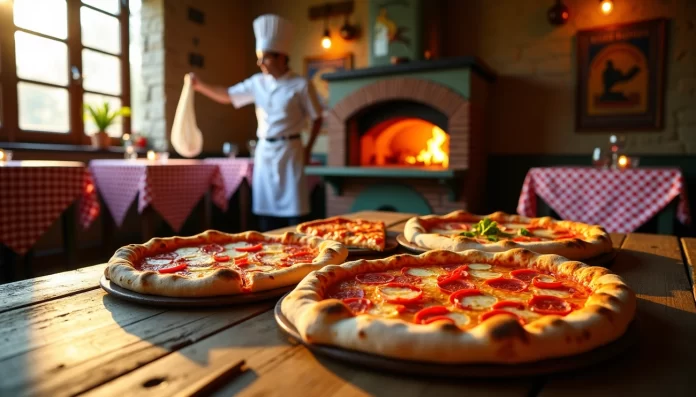
Naples gave birth to pizza in the 1700s, setting the standard for what we think about as pizza today. The city remains without doubt the world’s most famous pizza destination. Yet I found that there was so much more to Italian pizza beyond this iconic city’s offerings.
Italian pizza shows remarkable variety across regions. Each area puts its own spin on this beloved dish. The Neapolitan-style pizza comes with a soft, thin, bubbly crust, while the romana style features a massive crunchy base with barely any edge. Sicily alone boasts three unique pizza styles worth noting. The world’s best pizza, according to many experts, comes from an unexpected place – not Naples or Rome, but Caiazzo, a charming small town just an hour from Naples.
My years of taking a closer look at Italy’s pizza scene led me to create this piece about 25 hidden cities with authentic Italian pizza experiences away from tourist hotspots. These local favorites range from Caiazzo’s world-class Pepe in Grani to hidden gems in Matera, Lecce, and beyond. This guide will revolutionize your next Italian adventure if you’re ready to step off the beaten pizza path.
Caiazzo

Image Source: The Common Wanderer
Caiazzo, a small town of just over 5,000 inhabitants nestled in the rolling hills of Caserta province, has become a genuine pizza pilgrimage destination. People from all over the world make the trip to this charming hilltop community, which sits about an hour northeast of Naples.
Caiazzo pizza style
Master pizzaiolo Franco Pepe pioneered the Caiazzo pizza style, which creates absolute softness with a crust that absorbs enough sauce to create a harmonious blend. Pepe stands apart from modern pizzerias by making everything by hand without any machines.
“I am the primitive man of pizza,” explains Pepe. “We have no machines here, none. The only technology we permit is a thermometer for the oven, but really, it is better to observe the color of the flames”.
The pizza features a distinctly supple, thin crust with perfect yeast balance—neither sour nor excessively risen. This handcrafted approach yields a uniquely pillowy texture that has become this region’s signature true Italian pizza.
Caiazzo local specialties
The “Margherita Sbagliata” (Mistaken Margherita) stands as Caiazzo’s most celebrated creation, which stirred controversy among purists after its 2011 debut. This creative pizza combines buffalo mozzarella from Campania DOP during cooking, with raw tomato sauce and a basil reduction added after baking. The pizza earned the title “Best Pizza in the World” from 2016 to 2018, despite early skepticism.
Notable specialties include:
- The “Scarpetta” with buffalo mozzarella, 12-month Grana Padano fondue, tomato compote, freeze-dried pesto and aged cheese flakes
- The traditional calzone filled with curly endive, a recipe inherited from Franco’s father
- Pizza “a libretto,” a historic street food folded like a booklet, available for just €1.50
Where locals eat pizza in Caiazzo
Pepe in Grani leads the local pizza scene with an impressive 3.9/5 rating from 6,235 reviews. Local pizza enthusiasts also have several excellent alternatives to choose from.
Franco’s family’s original establishment, Antica Pizzeria Osteria Pepe, maintains its popularity with a 3.8/5 rating from 827 reviews. Their ethereal white calzone stuffed with escarole and cheese draws particular praise.
Le Volte di Annibale e Bacco (4.0/5 from 231 reviews) pairs excellent fresh salads with good pizza. Rio delle Tavole and Ristorante Pizzeria Paglia round out the authentic Italian pizza options with ratings of 3.6/5 and 3.5/5 respectively.
Matera

Image Source: Tripadvisor
Matera, with its ancient stone caves in Basilicata, delivers a pizza experience deeply rooted in its culinary heritage. This UNESCO World Heritage site earned its spot as European Capital of Culture in 2019 and serves pizza traditions that blend regional influences with state-of-the-art techniques.
Matera pizza style
The city’s pizza scene combines Neapolitan traditions with local creativity. Pizzerias here craft light, digestible dough using quality local ingredients. The region stands out for its excellent pinsa—a Roman-style oval pizza that features a thick, airy crust, crispy outside yet pillowy within. Local bakeries enhance their exceptional focaccia by baking it directly on stone without trays, which creates a distinctive bold flavor.
Matera local specialties
Matera’s cuisine celebrates its “peasant” heritage through earth-grown products and animal-derived ingredients. Local specialties include:
- Lucanica: A traditional pork sausage from free-range animals, coarsely chopped and seasoned with wild fennel
- Bread of Matera: The region’s pride, made with semolina flour
- Strazzata: A typical local focaccia
- Pezzente sausage: A premium pizza topping choice
The region also boasts canestrato cheese, Pecorino di Filiano, Senise Cruschi peppers, and bitter tomatoes.
Where locals eat pizza in Matera
Local food enthusiasts regularly visit these exceptional pizzerias:
Il Rusticone leads many lists with affordable yet high-quality pizza (€6 for a delicious Margherita) and excellent puccia—Puglian sandwiches made with crusty local bread. The buzzing atmosphere makes it ideal for people-watching.
Da Zero serves pizzas from inside the stones, using zero-kilometer products enhanced by local ingredients like cruschi peppers and caciocavallo cheese.
Oi Marì creates classic Neapolitan-style pizza in a stunning ancient church carved into tuff. Their signature “Oi Marì” pizza combines tomato, buffalo mozzarella, Pezzente sausage and truffle.
5 Lire Pizza remains a local secret with its outstanding mozzarella, potato, pesto, and walnut pinsa. Their tiny terrace, with just three tables, offers breathtaking views over the Sassi.
Lecce

Image Source: Tripadvisor
Lecce, nestled in Italy’s sun-drenched boot heel, showcases Puglia’s distinctive culinary heritage. The city’s pizza embodies the region’s “cucina povera” tradition that celebrates simple, local ingredients prepared with remarkable care.
Lecce pizza style
Lecce’s pizza style features an exceptionally crispy base that melts with a light interior. Local pizzerias bake their pizzas at 400°C (about 750°F) to achieve the perfect crust in just 90 seconds. This temperature is a vital part of the local pizza identity. The city’s celebrated pizzeria, 400 Gradi, even displays this number proudly in its name.
The local pizzaiolos work with two signature dough types. The traditional impasto classico combines “Farina 0” flour, extra virgin olive oil, brewer’s yeast, and water. Many places also serve impasto speciale that blends specialty flours from ancient grains like Kamut, hemp, cereals, pumpkin, spelt, and spirulina algae.
Lecce local specialties
Lecce’s culinary scene extends beyond pizza with unique local treasures. The rustico leccese stands as the locals’ favorite—a savory pastry with flaky, buttery dough filled with béchamel, black pepper, mozzarella, and a touch of tomato.
The region’s signature dishes include:
- Ciceri e tria: A unique pasta dish that combines fried and fresh pasta served with chickpeas
- Sagne ncannulate: A beloved Sunday lunch staple that pairs pasta with tomato and ricotta
- Pasticciotto: A boat-shaped pastry with cream filling, best enjoyed warm at breakfast
- Puccia leccese: A soft, hollow sandwich perfect for various fillings
Where locals eat pizza in Lecce
400 Gradi guides the local pizza scene. Pizzaiolo Andrea Godi’s creations rank 40th among Italy’s top 100 pizzas. You’ll find the restaurant just outside the historic district, an easy walk from the center.
Local pizza gems include:
- Spiriti Gourmet: Angelo D’Amico, an award-winning pizza acrobat since 1991, creates the signature white pizza “Crocchè”
- Il Pizzicotto: This historic center spot serves traditional and creative toppings with excellent seasonal ingredients
- Pizza Do.C.: Donatello’s place features handcrafted dough that rests 48-72 hours
- La Rusticana: The menu blends traditional Italian flavors with modern touches, from classic Margherita to the unique Pistacchiona topped with mortadella and pistachio pesto
Catania

Image Source: Authentic Food Quest
Catania sits at Mount Etna’s base, where Sicilian pizza traditions blend volcanic influences with seaside heritage. This eastern Sicilian city creates unique pizzas that stand apart from mainland Italian versions, using local ingredients and time-honored methods.
Catania pizza style
The city’s signature pizza is the schiacciata (also called scacciata). This distinctive pie features two thin dough layers filled with anchovies, fresh cheese, and delicious additions like potatoes, sausages, and broccoli. Bakers fold the pie three or four times, brush it with egg yolk, and bake it to perfection.
The pizzolo brings a unique twist to traditional pizza. This pizza “sandwich” adds an extra dough layer on top, seasoned with olive oil, oregano, pepper, Parmigiano Reggiano, and salt. Master Pizzaiolo Matteo Ruvolo has sparked new interest in Sicily’s ancient grains for pizza making.
Catania local specialties
Catania proudly serves the rare Pizza alla Siciliana. This deep-fried dough comes stuffed with melty Tuma cheese and anchovy filet. The Gran Caffè Urna in nearby Viagrande has served this specialty for 140 years using their original recipe.
Pizzolo comes in savory and sweet versions. Savory options feature greens, cheeses, and salami, while sweet variations showcase pistachio cream, chocolate cream, or ricotta and honey. The region’s pizzetta – small pizzas in various shapes – make perfect appetizers or quick bites.
Where locals eat pizza in Catania
Local pizza lovers have their favorite spots:
- Al Vicolo Pizza&Vino: A wood-stoked oven produces 70 different pizzas, including extra-large pies with hemp or tumminia flour crusts
- Locanda Cerami: This top-rated pizzeria sits beside a beautiful baroque church, serving soft, delicious pies
- Le Quinte: Creative toppings and excellent draft beers draw crowds to this spot near Teatro Bellini – its name means “behind the scenes”
Pizza enthusiasts should try La Capannina for pies made with Perciasacchi, an ancient Sicilian durum wheat flour. The popular Pizzeria Squib lets dough rest 24-48 hours before adding premium seasonal toppings.
Syracuse

Image Source: Yoga Escapes
Syracuse has created its own pizza tradition that makes it different from other Italian cities. The locals take pride in their unique style and defend it passionately. This blend of American adaptations and Italian influences has shaped the city’s distinct culinary identity.
Syracuse pizza style
A thin yet sturdy crust defines Syracuse-style pizza. The pizzas are cut into strips and squares instead of wedges – a method locals call the “West Side cut”. Albert “Shuffles” Palermo started this tradition when he opened the original Twin Trees Restaurant in the mid-1950s. Most pizzerias in the city stick to this signature cutting style. They won’t even change it when customers ask for wedge cuts. The dough creates a crust that’s “not New York-style, and not Chicago-style… it’s in between”.
Syracuse local specialties
The “Shuffles Special” stands as Syracuse’s signature pizza experience. It comes topped with mushrooms, pepperoni (from a stick, then sliced), and Italian sausage. The city’s pizza gets its unique taste from a special cheese blend. Pizzerias layer mozzarella with locatelli, a hard, dense Romano cheese made from sheep’s milk. Art Palermo’s words sum it up: “It’s not a Shuffles pizza without locatelli”. Local shops supply fresh link Italian sausage, keeping the city’s pizza tradition alive.
Where locals eat pizza in Syracuse
Twin Trees remains a cornerstone of Syracuse’s pizza scene. Its five affiliate stores still make pizza using Palermo’s original methods. Ask anyone about pizza in Syracuse, and Twin Trees will come up first. Apizza Regionale tops many local favorites with its 4.8/5 rating. Mario and Salvos gets praise for making thin-crust pizza that reminds people of NYC. Visitors to Siracusa, Italy can try Schiticchio, known for its “impeccable dough and mouthwatering toppings”. Era Ora and Piano B are also popular spots that serve exceptional pizza.
Bari

Image Source: Tripadvisor
Bari fascinates visitors with its unique culinary identity that differs from other prominent pizza destinations, and its locals take immense pride in their food culture. Tourists repeatedly flock to this coastal gem in Puglia to experience authentic flavors.
Bari pizza style
Bari pizza’s signature thin, light, and tasty crust makes it distinct from its Neapolitan cousin. The pizza needs longer cooking times at lower temperatures than Naples’ version, which creates its perfect crispiness. Locals love the satisfyingly crunchy texture. The dough’s lower hydration level (around 55%) creates that characteristic chewiness beneath the crisp exterior.
Bari local specialties
Bari’s food scene boasts several treasured specialties:
- Riso, patate e cozze (rice, potatoes and mussels) – locals call it the symbol of Bari cuisine
- Orecchiette con le rape – local women’s handmade pasta crafted using only a knife and remarkable skill
- Calzone di cipolla – a closed pizza filled with onions, olives, and sometimes capers, raisins and anchovies
- Brasciole – flavorful horse meat rolls stuffed with parsley, garlic, and Parmesan cheese that simmer for hours in ragù
Where locals eat pizza in Bari
True pizza lovers should skip the tourist traps and visit these local gems:
- Il Rustico – locals love its excellent appetizers and fresh, affordable pizza
- Pizzeria Princess – a simple spot serving Bari’s finest pizza at just €4, packed with regulars
- Il Grottino – authentic “pizza barese” away from the tourist rush
- Pizzeria da Donato – a neighborhood favorite known for delicious pizza
Genoa

Image Source: Tripadvisor
Genoa, once a mighty maritime power on Italy’s western coast, serves up pizza traditions that stand apart from the rest of the country. This Ligurian capital’s unique culinary heritage comes from centuries of seafaring influence.
Genoa pizza style
The city’s signature pizza existed before tomatoes made their way to Italy. Pissa d’Andrea stands as the original Genoese creation—a soft, golden-crusted flatbread that looks like focaccia. The dough contains milk and comes topped with fresh anchovies, black taggiasca olives, onions, olive oil, and sea salt. Many local spots also use green pesto (a Ligurian creation) as a popular pizza topping.
Genoa local specialties
Focaccia rules as Genoa’s most beloved pizza-related specialty, with locals enjoying it from morning until night. Local pizzerias go beyond tradition by serving creative focaccia “pizza” topped with pesto, cheese, and seasonal mushrooms. Most locals reach for Genoa salami pizza instead of pepperoni—the meat is thinly sliced pork sausage with garlic, pepper, and red wine seasoning.
Where locals eat pizza in Genoa
The city’s pizza lovers have their favorite spots:
- Buratto: A hidden gem near Porta Soprana that serves very light, 30-hour fermented dough made from semi-wholegrain, stone-milled Italian flour
- La Pizza Di Egizio: A local favorite known for thin-crust pizza and craft beers
- Terra Mia: A spot that consistently earns 4.8/5 ratings from locals who want authentic flavors
Trento

Image Source: Foodie Flashpacker
Trento, a charming city nestled in Italy’s Alpine north, creates pizza that beautifully merges regional traditions with creative new ideas. The autonomous Trentino-Alto Adige region serves both traditional Italian pizzas and their own unique takes on this beloved dish.
Trento pizza style
The city’s pizza makers blend traditional Italian methods with Alpine influences. Local pizzerias craft thin, perfectly charred crusts that hold up well under generous toppings. Instead of following strict style rules, the region’s pizza makers focus on exceptional local ingredients. You’ll find everything from classic recipes to creative new combinations across the city.
Trento local specialties
The city’s regional specialties add unique flavors to local pizzas:
- Trentingrana: A hard cheese that tastes like Parmigiano Reggiano
- Risotto al Teroldego: A rich rice dish made with the region’s signature red wine
- Strangolapreti: A pasta variety you’ll only find in this region
Local pizzerias love to showcase these flavors. They create distinctive pies topped with Trentingrana cheese, fresh mushrooms, and the region’s cured speck.
Where locals eat pizza in Trento
The city’s pizza scene has several standout spots that locals love:
Officina Gambrinus draws crowds with its authentic pizzas, earning a solid 4.5/5 rating. Korallo – Pizza & Drink matches the quality of Naples with its traditional style (4.3/5). Green Tower keeps customers coming back with simple, perfectly baked pies. Forno Urbano makes excellent pizza al taglio (by the slice) using organic ingredients and fresh herbs from their family garden.
Perugia

Image Source: Tripadvisor
Perugia, a hilltop city in central Italy’s Umbria region, captivates visitors with its medieval architecture and vibrant pizza culture. The city blends traditional Italian specialties with creative pizza innovations that delight both locals and travelers who seek authentic culinary experiences.
Perugia pizza style
The city upholds classic Italian pizza traditions and emphasizes quality local ingredients. Wood-burning ovens create thin-crust pies with distinctive smoky flavors. Many Perugian pizzerias use these ovens to bake fresh bread each morning before they switch to pizza production in the evening. Pizza makers focus on careful ingredient selection and simple preparations that let premium toppings take center stage.
Perugia local specialties
The city’s culinary scene extends far beyond pizza. Regional delicacies include porchetta (savory roast pork), cinghiale (wild boar), chocolate, Umbrian wine, and black truffle. Traditional Umbrian cuisine showcases the region’s agricultural heritage through locally sourced ingredients. Food enthusiasts should try stracchino-stuffed gnocchi in pesto or the regional Amatriciana variation that uses sausage instead of guanciale.
Where locals eat pizza in Perugia
Pizzeria Mediterranea stands out as the locals’ favorite, with both its main location and Tre Archi branch receiving stellar reviews. Their Pizza Lasagna comes topped with tomato sauce, mozzarella, spicy meat, and ricotta—a must-try specialty. La Romantica Centro draws regular customers with its welcoming atmosphere and friendly staff. Customers can watch their pizzas emerge from Al Mangiar Bene’s prominent wood-burning oven. Pizza lovers looking for slices head to Reginella or Pizzeria Marchigiana Artigiani. Da Cesarino serves classic pies right in the main piazza, with stunning views of the Duomo.
Reggio Calabria

Image Source: Take the Kids Everywhere
Reggio Calabria sits at the toe of Italy’s boot and delights visitors with its unique pizza experience that reflects both its coastal heritage and spicy culinary traditions.
Reggio Calabria pizza style
This region’s pizza stands apart from its neighbors with its thin, crisp crust that forms a crumbly base. Local pizzamakers roll the dough flat with pins and bake it slowly in the oven. This careful preparation creates a texture that pairs perfectly with the bold, spicy flavors that define Calabrian cuisine. The region’s famous Calabrian peppers give local pizzas their signature heat.
Reggio Calabria local specialties
Bold flavors define Reggio Calabria’s culinary identity. The prized ‘nduja—a spicy, spreadable sausage—has become a favorite pizza topping. Sweet Tropea onions bring an unexpected twist to many dishes. Frittole, made from the black pig of Calabria, showcases the region’s resourceful cooking style where everything gets used.
Where locals eat pizza in Reggio Calabria
Pizzeria Rusty stands out as a local favorite with its impressive 4.6/5 rating. Visitors can grab tasty slices here for just a few euros. El Puente has earned a reputation for excellent pizza in a peaceful setting. Mamas Viale Calabria draws locals with its welcoming atmosphere and extensive menu. Spaccanapoli brings authentic Neapolitan-style pizzas to life using fresh local ingredients throughout the city.
Aosta

Image Source: Tripadvisor
Aosta, a charming region in Italy’s mountainous northwest, combines Alpine traditions with Italian culinary artistry to create a unique pizza experience.
Aosta pizza style
The region’s pizza showcases its Alpine roots, with the area’s prized Fontina PDO cheese taking center stage. The Valdostana pizza represents the local signature style, which comes with fontina, cooked ham, and tomato sauce. Some pizzerias serve it as a focaccia-style creation with a soft filling. Bakers blend ’00’ flour with Manitoba flour to achieve proper elasticity, which results in a base that holds up well under rich Alpine toppings.
Aosta local specialties
Fontina PDO stands as the region’s culinary treasure—a sweet, delicate cheese that melts beautifully. This cheese plays a starring role in Polenta Concia, where melted fontina and butter enhance traditional polenta. The region boasts other specialties like Lardo d’Arnad PDO, a delicate lardo with mountain herbs, Jambon de Bosses DOP, a raw mountain ham aged at high altitudes, and Mocetta, a salami made from aged beef or game meat. Locals end their meals with Genepì, a digestive liqueur crafted from Alpine artemisia.
Where locals eat pizza in Aosta
The city’s best pizza spots include Ristorante Pizzeria Da Michele, which serves outstanding margherita and gnocchi alla Sorrentina. La Rustichella pairs authentic Italian pizza with local cheeses and cured meats. La Piazzetta Osteria Pizzeria draws both locals and tourists to its traditional dishes in the heart of the city. A short drive from town leads to Copapan Restaurant Pizzeria in Antey-Saint-André, where guests enjoy excellent pizzas in a cozy wooden dining room with a warm family atmosphere [145, 146].
Campobasso

Image Source: Tripadvisor
Campobasso, nestled in the historic Molise region, has developed a rustic pizza tradition that reflects its agricultural heritage. The provincial capital remained part of Abruzzo until 1963 and maintains strong connections to its pastoral roots through its pizza-making customs.
Campobasso pizza style
The sort of thing I love about Molise-style pizza is how it bridges different pizza traditions. Local pizza makers create something unique that sits between Neapolitan pizza—with its smaller, blistered appearance, chewy crust and soft center—and conventional American neighborhood pizza. The city’s bakeries (“forno” or “panificio” in Italian) serve their signature “pizzetta” that makes a perfect lunch or quick snack. Their rustic approach values quality ingredients and simplicity rather than following strict style rules.
Campobasso local specialties
Campobasso’s crown jewel is “pizza e minestra,” which combines cornmeal pizza (“pizze de randinie”) with field greens or vegetable soup. This centuries-old dish emerged from humble beginnings and features chicory, broccoli rabe, Swiss chard, and savoy cabbage, often enhanced with pork. Restaurant Monticelli’s Chef Simona De Castro creates an authentic version using cornmeal polenta that’s crunchy outside yet tender inside. The locals also treasure “taccozze e fagioli”—their distinctive rhombus-shaped pasta served with beans and pork rind.
Where locals eat pizza in Campobasso
These prominent establishments serve authentic Campobasso pizza:
- Panificio Eredi Palazzo (4.7/5)—a small wood-burning oven operation with deep traditional roots
- Pizzeria da Tony (4.4/5)—known for soft pizza with perfect thickness and crispy crust near Porta Mancina
- La Regina (4.2/5)—offering gluten-free options and authentic Neapolitan-style pizzas
- That’s Amore Pizzeria (4.0/5)—ranked fourth among local establishments
Taranto

Image Source: Tripadvisor
Taranto, an industrial port city, might seem like an unlikely pizza destination. Yet this city surprises everyone as the birthplace of panzerotti—deep-fried pizza dough pockets that have captured hearts throughout Italy.
Taranto pizza style
The pizza makers in Taranto focus on the basics. They make fresh dough daily and create house-made sauce from secret recipes with carefully selected toppings. Local pizzerias value quality ingredients and never compromise on their preparation methods. Their goal is to create perfect flavor balance where the base complements the toppings without overpowering them.
Taranto local specialties
Panzerotti stands out as the city’s crown jewel. These fried pizza dough pockets come with classic fillings like tomato and mozzarella or luxurious combinations of creamy burrata and capocollo (a traditional salame from nearby Martina Franca). Locals love pucce—tasty sandwiches made from plain, woodfired pizza dough split and filled with various ingredients. The region’s abundant seafood shapes many pizza toppings, particularly at places that double as fishmongers and restaurants.
Where locals eat pizza in Taranto
L’Antica Pizzeria da Michele near the revolving bridge offers authentic pizza with beautiful views. DONNALUCIA Trattoria Pizzeria serves outstanding Neapolitan-style pizzas with delicious starters like fried montanarine and meatballs. Mamma Mia Taranto has built its reputation on authentic Neapolitan pizzas featuring light dough and premium ingredients. Dottor Panzerotto makes the perfect late-night stop with its fresh-fried panzerotti. Basile in the new town area brings together classic seafood dishes and excellent pizza.
Ragusa

Image Source: Ristorante – pizzeria a Ragusa Ibla | Il Barocco
The beautiful Baroque city of Ragusa in Sicily delights visitors with its unique pizza tradition. Local chefs blend time-tested methods with regional flavors to create something special.
Ragusa pizza style
Scacciata (or scaccia) stands out as the city’s signature dish. This unique folded pizza combines the best elements of lasagna and calzone. Local bakers roll the dough paper-thin and add toppings before folding it like a strudel. The semolina flour base creates a delicate yet sturdy foundation that works perfectly with rich toppings of tomato sauce, cheese, and eggplants. The pizzolo has earned its place as another local favorite – think of it as a pizza sandwich with an extra layer of dough on top.
Ragusa local specialties
The city’s food scene goes beyond pizza. You’ll find remarkable treats like mpanatigghi – crescent-shaped cookies filled with chocolate and beef, and ‘mpanate – savory pies stuffed with meat, vegetables or seafood. The locals take pride in trippa alla Ragusana, a unique offal dish that surprises with eggplants, walnuts, almonds, cinnamon, and caciocavallo cheese.
Where locals eat pizza in Ragusa
The best spots to enjoy authentic Ragusa pizza include:
- Camiolo Pizza & Ciccia (4.7/5) serves “one of the best pizzas” in Sicily
- Pizzoleria Costa degli Angeli (4.4/5) shines with its service and expertise
- Il Barocco Ristorante bakes traditional pizzas in stone ovens using local ingredients
- Pizzeria Mastro Pizza creates unique combinations like calzone pistachio and pumpkin
Pescara

Image Source: Tripadvisor
The Adriatic coastline of Pescara delivers a unique pizza experience. Local chefs combine fresh seafood with regional ingredients to create flavors that define the area’s distinct culinary identity.
Pescara pizza style
Pizza makers in Pescara welcome two distinct approaches to their craft. They create both puffy Neapolitan-style crusts and thinner, crisper Roman variants. The local pizza scene stands out because of its precise cooking times. Neapolitan pizzas cook for just 90 seconds, which creates perfectly baked pies with signature char marks. The dough turns out soft, well-alveolated and easy to digest thanks to specific leavening methods.
Pescara local specialties
Local ingredients shape Pescara’s distinctive pizza toppings. Saffron and truffles show up often on menus, showcasing Abruzzo’s rich natural resources. The potato and sausage pizza remains the most popular regional specialty. Locals say this combination delivers an authentic taste of Pescara. The coastal location means seafood toppings play a starring role on many pizzas.
Where locals eat pizza in Pescara
Pizzeria Da Michele Dal 1940 leads the pack as the top local choice. This spot earns praise for staying true to its Neapolitan roots while maintaining high quality. Lucaneria (4.7/5) and Braceria Arrosticini Da Carlo (4.4/5) serve more traditional options. Food enthusiasts head to Evo Pizzeria Contemporanea to taste innovative takes on Italian-style pizza. Food tours in the area are a great way to get the full experience. These tours include stops at family-run delicatessens and pizza tastings.
Treviso

Image Source: Tripadvisor
Treviso, nestled in the lush Veneto region, blends traditional pizza with exceptional local specialties. This northern Italian gem delivers a remarkable food experience that goes beyond its beautiful canals and Renaissance architecture.
Treviso pizza style
The signature Treviso-style pizza features a thin crust that’s light and flavorful, letting premium toppings take center stage. Local establishments take pride in using fresh, regional ingredients to create authentic Italian pizzas. The region’s rich culinary heritage shows through as Treviso’s pizzerias blend Venice’s influence with their unique dough preparation and baking methods.
Treviso local specialties
This region sparkles with culinary treasures. Tiramisù stands out as its crowning achievement, first created at Treviso’s Le Beccherie restaurant in the 1970s. Local kitchens excel at Risotto alla Trevigiana, showcasing the prized radicchio rosso di Treviso. Fugassa Veneta tells a compelling story – this sweet Easter bread started as humble fare for the poor. The area’s cheese selection adds distinct flavors to many dishes. Casatella Trevigiana offers delicate cow’s milk notes, while Ubriaco and Brillo di Treviso gain their unique character from wine aging.
Where locals eat pizza in Treviso
These spots capture Treviso’s authentic pizza experience:
- Zero81: Master pizzaiolos create authentic Neapolitan pizzas using 48-hour fermented dough, earning two spicchi from Gambero Rosso
- Equilibri: This pizzeria sits just inside Treviso’s walls and serves seasonal ingredients across multiple styles, including their signature “Nuvola”
- Da Roberto: The kitchen excels in whole wheat options and serves generous portions
- Pizzeria Da Lino: This decades-old establishment combines relaxed dining with craft beer pairings
Modena

Image Source: Tripadvisor
Modena shines bright with its pizza scene that goes way beyond the reach and influence of its famous motor racing and opera heritage. The city’s renowned balsamic vinegar adds a special touch to its thriving culinary landscape.
Modena pizza style
The signature Modena flatbread pizza combines soft wheat flour and olive oil with premium toppings like Brie cheese and white sauce. Authentic Aceto Balsamico di Modena PGI (balsamic vinegar) stands out as the star ingredient. Local pizzerias take pride in their dough preparation that takes more than 100 hours (5 days). This is a big deal as it means that the crusts turn out incredibly light and easy to digest.
Modena local specialties
The city’s food culture runs deep with Emilian traditions. Gnocco fritto serves as the life-blood of local dining – these light, airy fried dough pieces taste amazing with prosciutto, mortadella, or other cured meats. Small round breads called tigelle pair perfectly with salumi or sweet Nutella. The locals stay fiercely loyal to their regional favorites including tortellini, Parmigiano Reggiano, and their beloved balsamic vinegar.
Where locals eat pizza in Modena
The historic center’s Via del Taglio has earned its reputation as Modena’s pizza district. Seven different pizzerias operate within a short 700-meter stretch. These spots deserve special mention:
- La Smorfia: This place is the real deal for authentic Neapolitan-style pizza
- Berberè, Fra Diavolo, Da Michele: These central spots each bring their own unique flair to the table
- Quelli della Pizza: The menu features creative seafood and balsamic vinegar toppings at wallet-friendly prices (€4-7)
New pizza establishments faced initial skepticism but ended up boosting the city’s already vibrant pizza scene. The locals’ dedication to artisanal food traditions runs deep.
Comparison Table
| City | Signature Pizza Style | Notable Local Ingredients/Toppings | Most Popular Local Pizzeria | Unique Local Specialty |
|---|---|---|---|---|
| Caiazzo | Balanced soft crust with ideal yeast | Buffalo mozzarella, basil reduction | Pepe in Grani (3.9/5) | Margherita Sbagliata |
| Matera | Digestible dough with crispy pinsa texture | Cruschi peppers, caciocavallo cheese | Il Rusticone | Lucanica sausage |
| Lecce | Crispy base baked at 400°C (750°F) | Ancient grains, hemp flour | 400 Gradi | Rustico leccese |
| Catania | Schiacciata (folded pie) | Anchovies, fresh cheese | Al Vicolo Pizza&Vino | Pizza alla Siciliana |
| Syracuse | Sturdy thin crust with “West Side cut” | Locatelli cheese, mushrooms | Twin Trees | Shuffles Special |
| Bari | Light thin crust with 55% hydration | Local ingredients | Il Rustico | Calzone di cipolla |
| Genoa | Pissa d’Andrea (focaccia-style) | Anchovies, taggiasca olives | Buratto | Traditional focaccia |
| Trento | Charred thin crust | Trentingrana cheese, local speck | Officina Gambrinus (4.5/5) | N/A |
| Perugia | Wood-fired thin crust | Local truffles, porchetta | Pizzeria Mediterranea | Pizza Lasagna |
| Reggio Calabria | Crisp crumbly thin base | ‘Nduja, Tropea onions | Pizzeria Rusty (4.6/5) | Frittole |
| Aosta | Valdostana style | Fontina PDO cheese, cooked ham | Da Michele | Polenta Concia |
| Campobasso | Hybrid Neapolitan-American style | Cornmeal, field greens | Panificio Eredi Palazzo (4.7/5) | Pizza e minestra |
| Taranto | Traditional Neapolitan base | Burrata, capocollo | L’Antica Pizzeria da Michele | Panzerotti |
| Ragusa | Scacciata (folded pizza) | Semolina flour, eggplants | Camiolo Pizza & Ciccia (4.7/5) | Mpanatigghi |
| Pescara | Combined Neapolitan and Roman style | Saffron, truffles | Pizzeria Da Michele Dal 1940 | Potato and sausage pizza |
| Treviso | Thin-crust | Local cheeses, seasonal ingredients | Zero81 | Tiramisù |
| Modena | Flatbread with extended 100+ hour maturation | Balsamic vinegar, Brie cheese | La Smorfia | Gnocco fritto |
FAQs
Q1. Which Italian cities are renowned for their exceptional pizza? While Naples is the birthplace of pizza, many Italian cities offer unique and delicious pizza experiences. Some notable pizza destinations include Caiazzo, known for its world-class Pepe in Grani pizzeria; Matera, with its light and crispy pinsa; and Lecce, famous for its 400°C baked pizzas with crispy bases.
Q2. What makes Neapolitan-style pizza special? Neapolitan-style pizza is characterized by its soft, thin, bubbly crust with a slightly thicker edge. It’s typically made with simple, high-quality ingredients and cooked quickly at very high temperatures in a wood-fired oven, resulting in a tender, flavorful pizza that’s considered the gold standard by many pizza enthusiasts.
Q3. Are there any lesser-known Italian cities with unique pizza traditions? Yes, many lesser-known Italian cities have distinctive pizza styles. For example, Syracuse is known for its “West Side cut” pizza with a thin yet sturdy crust, while Ragusa offers the unique “scacciata,” a folded pizza similar to a stuffed pastry. Aosta in the Alpine region features the “Valdostana” style pizza with local Fontina cheese.
Q4. How does pizza vary across different regions of Italy? Pizza varies significantly across Italy, reflecting local ingredients and culinary traditions. In Genoa, you’ll find focaccia-like “pissa d’Andrea” with anchovies and olives. Modena pizzas often feature the region’s famous balsamic vinegar. Catania in Sicily is known for “schiacciata,” a folded pie with various fillings. These regional differences showcase Italy’s diverse gastronomic landscape.
Q5. What are some unique pizza toppings found in different Italian cities? Italian cities offer a wide array of unique pizza toppings based on local specialties. In Bari, you might find pizzas topped with local burrata cheese. Reggio Calabria pizzas often feature spicy ‘nduja sausage and sweet Tropea onions. In Trento, pizzas are frequently topped with local speck and Trentingrana cheese. These regional toppings reflect the rich culinary diversity across Italy.

