


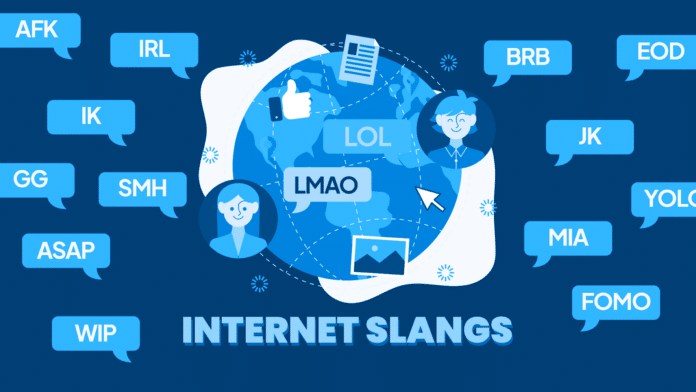
As internet culture evolves, new slang terms appear almost daily. Some are playful, some controversial, and others misunderstood. One such term is Simpcity. As its usage spreads across social media platforms, many people are asking an important question:
Is Simpcity offensive, or is it just internet slang?
In this in-depth article, we explore the true meaning, cultural context, intent, and impact of the term Simpcity to determine whether it should be considered offensive—or simply a modern digital expression.
Understanding What Simpcity Means
Before judging whether Simpcity is offensive, we must first understand what it actually represents.
In most online contexts, Simpcity is an extension of the word “simp”, used humorously to describe exaggerated admiration, emotional reactions, or one-sided devotion online. Over time, the term evolved into Simpcity, which describes a situation, environment, or collective behavior rather than a single individual.
For a complete definition, you can read our detailed guide here:
👉 Simpcity meaning explained
Why Some People Find Simpcity Offensive
The perception of offensiveness often depends on context, tone, and intent. Here are the main reasons some people consider Simpcity offensive.
1. Association With Mockery or Labeling
In some cases, Simpcity is used:
-
To mock someone’s emotional expression
-
To label behavior negatively
-
To dismiss genuine admiration
When used this way, it can feel dismissive or disrespectful, especially if directed at an individual rather than a general situation.
2. Social Shaming in Comment Culture
On social media, comment sections move fast. Slang terms like Simpcity are sometimes used as shorthand for judgment.
For example:
-
Labeling entire comment sections
-
Reducing complex discussions to a joke
-
Oversimplifying emotional expression
This can make the term feel more critical than humorous.
3. Gender & Emotional Expression Sensitivity
Some critics argue that Simpcity indirectly reinforces stereotypes about emotional expression, especially online. While the term itself is gender-neutral, its usage can sometimes reflect broader internet attitudes toward vulnerability or admiration.
Why Many See Simpcity as Harmless Internet Slang
Despite criticism, a large portion of users see Simpcity as non-offensive slang. Here’s why.
1. It’s Primarily Used Humorously
In most cases, Simpcity appears in:
-
Meme captions
-
Joke comments
-
Light-hearted reactions
The intent is often playful rather than harmful. Humor is a core part of internet slang evolution.
2. Context Matters More Than the Word
Like many slang terms, Simpcity’s meaning changes based on:
-
Who is using it
-
How it is used
-
Where it appears
When used to describe a general online atmosphere, it rarely causes offense.
3. Slang Evolves Rapidly Online
Internet slang constantly changes. Words that once felt harsh often soften over time as they become normalized. Simpcity is following a similar path—shifting from niche slang to broader cultural expression.
Simpcity in Social Media Culture
The way Simpcity is used across platforms heavily influences how it’s perceived.
On Instagram & TikTok
-
Mostly used in memes and captions
-
Often ironic or self-aware
-
Rarely meant as a direct insult
On X (Twitter)
-
Used more for commentary
-
Can be sarcastic
-
Depends strongly on context
If you want to understand why the term spread so fast across platforms, read:
👉 Why Simpcity is trending online
Is Simpcity Offensive According to Language Standards?
From a linguistic perspective, Simpcity is not classified as a slur or hate term. It does not target a protected group and is not inherently abusive.
For reference on how slang evolves and is evaluated culturally, see:
🔗 Internet slang – Wikipedia
This places Simpcity firmly in the category of informal internet language, not offensive terminology.
Psychological Impact: Can Simpcity Still Hurt?
Even non-offensive slang can have emotional impact.
When Simpcity Can Be Harmful
-
Used repeatedly to shame someone
-
Applied in a hostile or targeted way
-
Used to silence genuine discussion
In such cases, the issue is not the word itself, but the intent behind it.
Is Simpcity Offensive to Younger Audiences?
For younger users, context and education matter.
-
The term itself is not explicit
-
It is generally safe slang
-
Misuse can still encourage negative behavior
Parents and educators should focus on digital literacy, not banning words outright.
Cultural Differences in Interpreting Simpcity
Slang doesn’t translate equally across cultures.
-
Some audiences interpret Simpcity as playful
-
Others may see it as dismissive
-
Cultural norms influence reaction
This is common with all internet slang and does not automatically make the term offensive.
How to Use Simpcity Responsibly
If you choose to use the term, follow these best practices:
✅ Responsible Use
-
Use it humorously, not aggressively
-
Avoid targeting individuals
-
Don’t use it to dismiss genuine emotions
-
Be mindful of audience and context
Is Simpcity More Offensive Than Other Slang?
Compared to other slang terms, Simpcity is relatively mild. It lacks:
-
Explicit language
-
Hate-based targeting
-
Threatening meaning
Most controversy comes from misinterpretation, not intent.
Why People Search “Is Simpcity Offensive?”
This search exists because:
-
The term is popular but unclear
-
People want to avoid offending others
-
Online culture shifts quickly
Articles like this help users understand nuance instead of relying on assumptions.
Final Verdict: Is Simpcity Offensive or Just Slang?
✔ Simpcity is primarily internet slang
✔ It is not inherently offensive
⚠ It can feel offensive if used maliciously
🧠 Context, tone, and intent matter most
In most cases, Simpcity functions as a cultural shorthand, not an insult.
FAQs: Is Simpcity Offensive?
Is Simpcity considered offensive language?
No, it is not officially classified as offensive.
Can Simpcity hurt feelings?
Yes, if used to shame or mock individuals.
Is Simpcity just a joke?
Most of the time, yes.
Should people stop using Simpcity?
No—just use it responsibly.

